
Catherine May on Why Culture Beats Capability in the Boardroom
Sainty Hird & Partners·United Kingdom
Catherine May discusses why cultural fit and board chemistry matter more than individual star power, and how executives misjudge the transition from running operations to providing non-executive oversight.
Listen on
Now playing
Catherine May on Why Culture Beats Capability in the Boardroom
Episode 33 · 1 Jul 2026
Featured
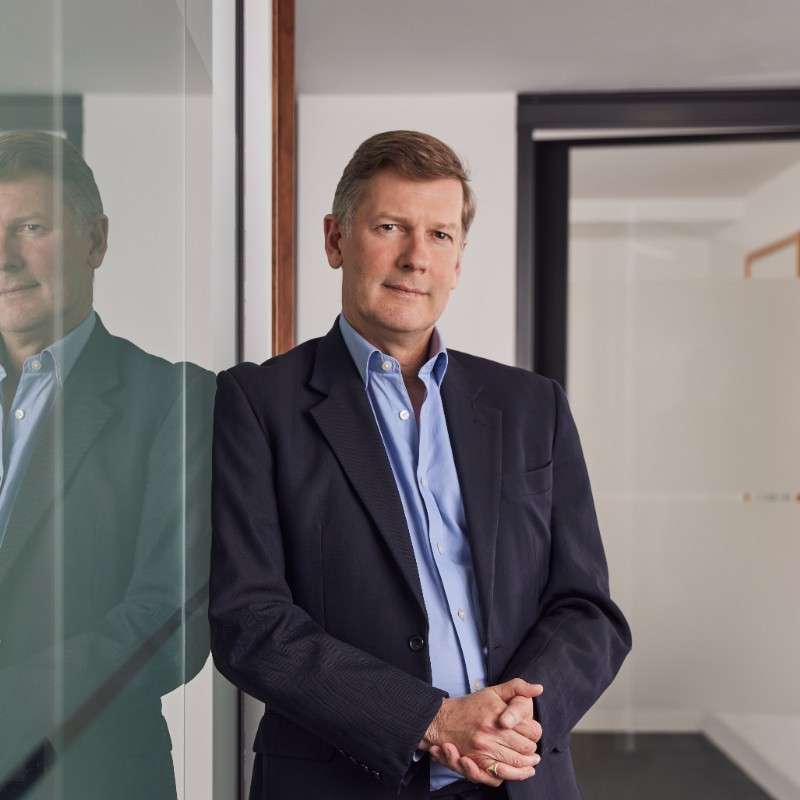 Ralph GraysonHost
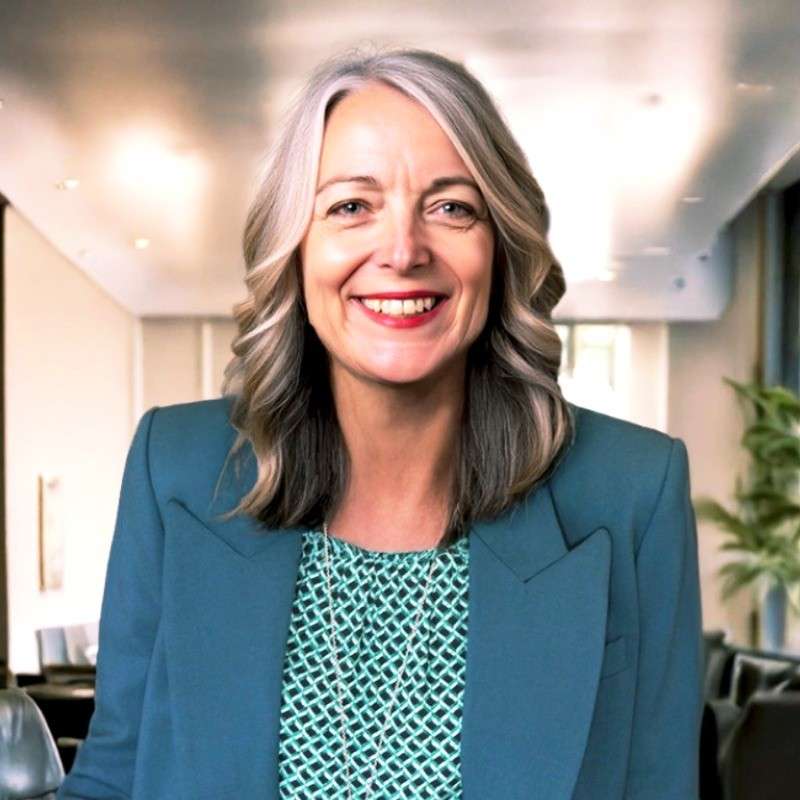 Catherine MayGuest
Production
 Matt Eastland-JonesProducer
 Story Ninety-FourProduction Company
Show notes
What does it actually take to move from the executive suite into the boardroom, and why do so many capable leaders misjudge the leap?
In this episode of The Boardroom Path, host Ralph Grayson speaks with Catherine May, an experienced chair, non-executive director and certified executive coach with more than 25 years at executive committee level in FTSE 30 businesses including RELX, Centrica and SABMiller. They explore why culture, not capability, decides whether a board succeeds, how aspiring NEDs can read their own fit before committing, and why a board seat is closer to a six-year commitment than a two-day-a-month role.
Catherine also sets out a practical answer to the question every board is now asking: do we need an AI specialist in the room, or a sharper way to bring expertise to the table? Against research showing that boards are openly debating where human judgement should end and AI should begin, with only 37% of directors seeing their board as essential to value creation, this is a grounded guide to building a board career that lasts.
- - Welcome to The Boardroom Path
- - From Executive Committee to the Boardroom
- - Should NEDs Engage Directly With Investors
- - The Corporate Affairs Route Into the Boardroom
- - What Executives Misunderstand About Boards
- - Why Fit Matters More Than Star Power
- - Coaching, Self-Awareness and Knowing Who You Are
- - How the Role of the Board Has Changed
- - The Six-Year Commitment Nobody Expects
- - Reputation, Crisis and Emotional Alignment
- - Capabilities Over Domain Expertise
- - Diversity, Inclusion and a Smarter Boardroom
- - Advisory Boards and the AI Question
- - Constructive Challenge and Psychological Safety
- - Should Every Chair Have a Coach
- - Refreshing Board Talent and the Search Question
Catherine May: Catherine May is an experienced chair, non-executive director, committee chair and certified executive leadership coach, and currently chair of the board at Shoreham Port. She spent more than 25 years at executive committee level in global FTSE 30 businesses, leading corporate affairs, investor relations, sustainability, crisis management, public affairs and brand strategy at RELX, Centrica and SABMiller. She founded Catherine May Associates in 2015, working with senior leaders and boards to strengthen governance, build high-performing cultures and prepare executives for board-level responsibility. She is recognised for her expertise in reputation, risk, leadership development and guiding organisations through transformation, giving her a distinctive perspective at the intersection of leadership, governance and corporate reputation.
Ralph Grayson: Ralph Grayson is a Partner in the Board Practice at Sainty Hird & Partners, bringing extensive experience in board-level recruitment, assessment, and advisory services. With a deep understanding of the corporate governance landscape, Ralph specialises in guiding senior executives as they transition into impactful boardroom careers. His thoughtful approach, combined with a passion for developing effective leaders, enables him to facilitate insightful conversations that equip aspiring and newly appointed Non-Executive Directors with the tools they need to succeed. Through The Boardroom Path, Ralph leverages his extensive professional network and expertise to empower listeners on their journey into the boardroom.
"Culture for me is the beginning and end of whether a company is going to be successful or not." Catherine May, Chair, Non-Executive Director and Executive CoachEpisode Insights:
- The line between board and management is softer than executives expect; effective NEDs cross it carefully to understand culture without upsetting the apple cart.
- Culture is the single biggest risk any business faces, because a weak culture quietly enables bad practice and silences the people who would otherwise call it out.
- Fit matters more than star power; rooms full of grandstanding individuals rarely gel, and succession and nominations should be a continuous conversation, not an annual one.
- A NED role is a long, serious commitment, closer to six years and far more than the headline day count, so emotional alignment with the organisation is essential before saying yes.
- Capabilities, attitude and values beat narrow domain expertise; advisory panels, not endless new board seats, are the smarter way to bring specialist insight on issues like AI.
Action Points:
- Interrogate your fit before you commit: Before accepting a board seat, ask honestly whether you admire the organisation, its people and its products. Picture how you would feel giving far more time than your fee covers if a crisis hit. If the emotional connection is not there, walk away politely before going further.
- Treat culture as a standing board priority: Find non-disruptive ways to see daily working life across the business rather than relying on management reports. Look for whether people feel safe to call out behaviour that is not right. Use that evidence to satisfy yourself the culture genuinely supports the right behaviours.
- Appoint for difference, not just comfort: When refreshing the board, resist the easy hire who knows the sector inside out and gets on with everyone. Lean into candidates who bring different perspectives and experience. Pair that with an inclusive chair who ensures every voice is genuinely heard in and out of meetings.
- Make nominations a continuous conversation: Keep succession and the board pipeline on the agenda at every nominations meeting, not once a year. Encourage directors to scan their networks continually and work with diligent search partners. This de-risks appointments and avoids settling for candidates who do not knock your socks off.
- Use advisory panels to handle fast-moving issues: Rather than adding a board seat for every emerging risk such as AI, task a small specialist group, including at least one NED, with rapid horizon scanning. Keep it light-footed and focused so it can report back quickly and inform strategy without making the board too big to function.
The Boardroom Path is the essential podcast for aspiring and newly appointed Non-Executive Directors (NEDs) navigating the journey from executive leadership to the boardroom. Hosted by Ralph Grayson, partner at Sainty Hird & Partners, each episode offers insightful conversations with industry leaders, seasoned board directors, and governance experts. Our guests share practical strategies, valuable perspectives, and actionable advice on how to effectively transition into board roles, maximise your impact, and build a rewarding NED career.
Subscribe now, and take your first confident step along The Boardroom Path. Learn more about Sainty Hird & Partners at saintyhird.com.
The Boardroom Path is produced by Story Ninety-Four in Oxford, UK.
Transcript
Ralph Grayson
Welcome to The Boardroom Path by Sainty Hird & Partners. I'm your host, Ralph Grayson, a partner in the board practice. In this series, we'll offer practical steps and useful perspectives for aspiring and newly appointed NEDs. Throughout its 30 year history, Sainty Hird has recruited senior board members across the City, Industry, the Public Sector and NGOs.
We're now also evaluating those boards, as well as coaching and mentoring those seeking to transition from an executive career into the boardroom. So we'll be speaking to some leading figures in the board advisory and NED world. Specifically, we'll seek their counsel about how and where to spend time and energy to make an effective transition into the boardroom. The goal is to equip recent and aspiring NEDs with tips, tactics and strategies to be most effective and build a successful career as a board director. In the process, we aim to help you to think more about who you are, how you operate and how you can make this work in the boardroom. My guest today is Catherine May. Catherine's a highly experienced chair, non-executive director and board advisor who has built a distinguished career at the intersection of leadership, governance, and corporate reputation. She currently serves as chair, senior independent director and remuneration and nominations committee chair across multiple organisations, bringing deep boardroom expertise in governance, risk, and leadership oversight. With more than 25 years experience at executive committee level in global FTSE 30 businesses, including RELX, Centrica, and SAB Miller, Catherine has led some of the most critical functions shaping corporate success, ranging from investor relations and sustainability to crisis management, public affairs, and brand strategy. Her work is consistently focused on helping organisations navigate complexity, protect and enhance reputation, and deliver long-term value in high stakes environments.
Today, alongside her board roles, Catherine is an advisor and certified executive leadership coach, working closely with senior leaders and boards to strengthen governance, build high-performing cultures, and prepare the next generation of executives for board-level responsibility. She is particularly known for her expertise in reputation, risk, leadership development, and guiding organisations through transformation. Catherine's unique combination of executive experience, board leadership, and coaching insight gives her a powerful perspective on what it truly takes to transition into and succeed within the boardroom.
Her journey makes her an exceptional guest for The Boardroom Path, where she can share practical real world insights on leadership progression, governance, and building a meaningful board career. Catherine, welcome.
Catherine May
Oh, it's great to be here with you today, Ralph.
Ralph Grayson
Perhaps we could just start with your transition from executive committee to the boardroom and your journey from FTSE executive committees to portfolio NED and chair roles. And what I'm really interested to start with is what surprised you most about the shift from executive to non-executive perspective and how that corporate affairs experience early in your career shaped how you viewed board oversight and stakeholder expectations.
Catherine May
One thing that's very distinctive about being a functional lead on the XCO of a FTSE 100 business is that particularly in corporate affairs role, you do get to spend a lot of time with your board.
So I had a great deal of opportunity during my time serving as an executive to understand and get to see more closely and work collaboratively with the board because I was doing a lot of corporate reporting. I was working on and leading a lot of work in the business that was very central to the board agenda, such as sustainability and obviously investor relations was absolutely key to where the board needed to spend time and understand what was going on.
So I had a great opportunity to understand how my boards were operating, to see my NEDs in operation, to see what I thought was good and to note the way in which some of my NEDs would do things. I think that was really clever, that was terribly smart, that's really moving the agenda in a careful way to bring the points to the table to make a point without being difficult or aggressive about it. But to really get us all focused on what is really important around here for the future strategy of the business at this point in time.
So I began quite early on to pick up those seeds of what good might look like for a serving non-exec, and I had some great examples that I could use to help myself build towards in my own behaviours when I decided I wanted to move into that space.
Ralph Grayson
I was lucky enough to be at a QCA debate a few months ago where the subject of the debate was whether boards and board members need to engage more directly with investors, both investment managers and investment owners. I'm fascinated by your corporate affairs perspective where you think that engagement should lie and whether, boards are cognizant of the importance of it.
Catherine May
I think this is a very sensitive and quite tricky area because when you start having a lot of different people having roots to anyone stakeholder group outside your organisation, whether that's investors, media, other stakeholders, perhaps politicians, NGOs or commentators, if you have an awful lot of people getting across the relationship with those different stakeholders, you are bound to get differences in messaging and that is a real problem for most businesses. Everybody needs to have a consistent set of messaging, a consistent reality check going out to stakeholders and investors are probably going to be top of the hierarchy in this for most big businesses. So this is a tricky area to get into.
Yes, I would say you do want to put your non-execs, particularly your committee chairs in front of investors from time to time as appropriate where investors want to get a deep handle. The obvious one, of course, is, remuneration. Where they would expect to see the chair of the remuneration committee to talk about remuneration and often that will be on an annual basis. But for some businesses it will be issues like their commitment around ESG. If we're allowed to use that term these days, I tend still to because I still think it's very key for the businesses that I work with.
But if you're a sitting across a lot of asset investment and you wish to invest in a PLC, you're going to want to understand exactly where they are on this and that might be a good moment as well to bring a non-exec into the engagement with the investor community around sustainability and the other ESG tracks as well.
So a cautious yes. We should bring non-execs in front of investors. But it is a lot of work for everybody involved. Everybody should understand they're going to spend time working together to ensure that they're shoulder to shoulder and that they are, as we might say, metaphorically singing from the same hymn sheet. That they understand the messaging in the same way.
You really don't want a key investor to hear one thing from the chair or from the CFO in a regular meeting or from the head of investor relations and then them hear something slightly different from another member of the board from one of the independent non-execs, that would be a real problem.
Ralph Grayson
Raises somewhat of a question in my mind as to whether boards or chairs of NOMS committees are maybe missing a trick in not recognising the perspective and depth of knowledge that somebody with a functional background in corporate affairs or, indeed the company secretariat role would and where do they add most value within a board?
Catherine May
I think that's a really good point. I think that senior corporate affairs operators have a great set of experience in terms of preparing them for the boardroom. They are used to a career of being advisors. They're used to that mentoring role. They're used to being a source of specialist advice, specialist guidance. They're used to working very closely with the CEO and chair typically if they've been working in a FTSE 100 or similar environment. So they will understand the nuances and the diplomatic skills required of that political environment with a small P of how everybody fits together and how those relationships work well.
They are expected to have absolutely superb in depth knowledge of every area of the business and operations and also, of course, of the geopolitical environment. And we talk an awful lot these days about needing more geopolitical insight in boardrooms. So to my mind, people who've got that career background are really strong candidates to transition into the boardroom environment as good NEDs. They have, already have, a lot of the things that they'll need to make them good at working with the rest of the team on behalf of the business, helping it stretch itself, helping it grow, helping it see opportunity, but also helping it see risk.
Ralph Grayson
I'm really keen to explore this perspective you have both as a NED yourself as well as a coach to executives and NEDs. So let's start with that bridge from the executive suite into the boardroom. What do most executives misunderstand most about boards?
Catherine May
I think there's a huge misunderstanding about the lines that are drawn and people tend to think that there's an incredibly strong line that one doesn't cross this line and these things happen in the board and everything else happens in the executive environment on a day-to-day basis.
And I think that's a disastrous way to consider things really. I think if you are a good board director, you'll be coming in and finding how to step across that line without upsetting anybody, without upsetting the apple cart, if you like. Finding a way to get under the skin of the business. One thing that you and I have talked about before, Ralph, is how important it is that boards remember their responsibilities around setting culture and unless non-execs find their way into the business in a non-disruptive manner and in a way that enables them to see what working life is like day-to-day for all sorts of different people who are their colleagues in that business, they cannot, hand on heart, sit around the boardroom table and say they really feel confident that they have the right culture.
And culture for me is the beginning and end of whether a company is going to be successful or not and whether it is going to have an environment that promotes the right behaviours and it is an environment in which bad things can't happen. Because the culture is a good culture, it's a culture with a strong moral compass, it's a culture of respect and when people start to do things in a way that is not right, people notice, colleagues notice and call it out and say, "That's not how we do things around here."
Of course, we do have lots of corporate disasters in our big businesses that we can look on over the last few years across many sectors, and we can see that an awful lot of the things that go wrong start from that muddying of culture, start from things being allowed to go wrong, people turning the other cheek or people being frightened to whistleblow, to call it out to say, " But I don't think that's how we do things around here."
And that is the biggest risk I believe any single business in any sector faces is that the culture will enable things to go wrong because it will enable and support bad practise and not shout it out. And if the board isn't understanding what is going on culturally, then that risk is still there in the room every single day in every part of that business.
For me, people coming along and thinking, "I operate in a very different sphere in the boardroom", which they may do if they don't have any experience of that area and is something I've heard people think is going to be what it's like, they're wrong and they need to get their heads around getting into a space where they will be able to understand what is going on and help make sure that really enormous piece of risk is minimised in the business that they're supporting as a non-exec.
Ralph Grayson
It's such an interesting topic. I feel the governance geeking me coming out now. So there's two parts of that culture, there's the corporate culture of the company, but then there's also the boardroom culture, of how board behaviour is extended and is amplified. And the common denominator between those two is the fit. So when I'm wearing my head hunting hat rather than any other governance hat, the candidates who succeed as opposed to the candidates that don't, often that's not about skills, experience, knowledge. It's about that fit and it's about understanding your role.
So I'm fascinated from your experience as a coach to both executives and non-executives where you see those that understand that change in behaviour and understand that need for fit within a corporate culture. Where does that work best? Where does that break down? And when those people are looking in the mirror, who are the ones who can see themselves and who are those that can't see themselves?
Catherine May
I would agree with you so much 100% that fit is so important to get that right culturally, and I have seen really badly performing boards where you've had too many prima donnas and they have lent too far into people with fantastic capabilities, fantastic backgrounds, really strong CVs. They might have had lots of experience of leadership as an executive in the sector. They might be a great big star who's held a lot of board roles and has a high profile as a NED, perhaps one of those NEDs who, gets a bit of a name for themselves by being a bit of a guru on one aspect or another of board leadership. Unless they have a fantastic chair who's really powerful and really able to bring them all together, they won't gel necessarily.
I've seen these rooms full of superstars who really are grandstanding not very good at pulling together, not very good at working as a team and really therefore not getting as much out of everybody being in the room and collaborating as we would like and as we would expect when we're bringing board teams together.
It's so important for boards to keep thinking about their succession pipeline about nominations all of the time, not just once or twice a year, not just, occasionally in the cycle, when they look at the terms of people that are on the board. But all the time thinking about what have we got here? Have we got the right fit? It is relatively straightforward to get all the capabilities and skills in the individuals in the room, but are they going to work together? Are they going to be happy being part of a team or are they going to want to have a bit more independence and a bit more leadership than a board role really requires and which if they're going to do the job well, they need to get in line with and it's not for everybody, it's not for everybody.
As through my coaching practise, I sometimes work with people at executive committee level now who are thinking about their career moves and the obvious thing we talk about is whether they ought to add a non-executive role alongside the work that they're doing now. And I was working with somebody last year who is a very accomplished operational leader. It seemed to me that the obvious career path on paper for this person would be to add a non-executive role, but the more we talked about it, the more it became clear this was absolutely the wrong thing for that individual to do and they were able to come to the conclusion that it was not something that they wanted to do. They wouldn't benefit from it and they would find it very frustrating. They wouldn't be able to be the person who would say we've agreed all of that. That's great. I'll leave you to get on with it. They would want to be the person that took the responsibility out of the room with them and went away to build the operational plan, to put the right teams together and to make the projects happen as agreed in the boardroom.
You have to be happy as a non-exec to think, "We've made the right decisions in here. We've helped everybody go off in the right direction. I look forward to hearing how they get on. " And if you want to overreach into that, you're not the person who should be in the NED chair so the fit isn't there, if you like, to come back to your tone, which I think is a very good one.
Ralph Grayson
Just before we leave this, just to explore a little bit more, for people who are either a prospective NED listening to this or an existing NED, who perhaps haven't worked with a coach before. What's your approach as a coach to try and open this up?
I know there isn't a coaching playbook per se, but just talk a little bit more about your style and how you might try to develop that self-awareness around the fit, should I be on a board or not on a board?
Catherine May
When I'm working with executives I'm sometimes working with them on their own. I'm sometimes working with them and their teams to help them build strategic futures together. When I work with an individual and we think about what they might want to do in the next three, five, 10 years, the most important thing for me is helping them dig into who they really are, dig into what's important to them, really help them define what they get excited about, what they get motivated by, what their key values are, and their key areas of expertise and then say, " Okay, you want all of those things out of life, we can make a picture of that, we can map it"
But once we've captured all of that, then we have to start overlaying it on real life and saying, "In what situations are you going to get these things? Are you going to get the most exposure to these things that you love, these things that excite you, these things that make you want to get out of bed in the morning and align with your values?" And then it becomes much easier to map exactly what sorts of activities, roles, responsibilities and organisations the individual is going to be happiest in and are going to be the most fulfilling for them where they'll turn up and do a great job because it's a really good fit.
So everyone will be happy. They'll be really effective and high performing, they'll be getting a lot out of it and their organisation will take the benefit of that high performing person turning up very happy every day, engaged and forming a great example for their colleagues in the organisation too, because they're turning up, working well, being engaged, being a good advocate for what happens around there.
So I would start with this whole, who am I? Who am I really and what excites me? And then that gives you a kind of portal to map through to help them work out where their journey should take them and navigate towards that.
Ralph Grayson
The other bit of the fit, which I think is interesting is the context of A, a NED role is dynamic. It's not static. So it changes with circumstances and it's also contextual insofar as somebody on a FTSE board may or may not be relevant to be somebody on a 350 board or on a private board.
So let's just touch on the expanding role of the board in that respect because I've just given you the book on Nik Gowing's book Thinking The Unthinkable who was a guest on this podcast not so long ago. In that context, now we've got regulatory expansion, stakeholder capitalism, reputation and trust, a particular area of your expertise and within all of that, the board has a strategic sound board rather than a compliance overseer. My question is how has the role of the board fundamentally changed over the last couple of years or perhaps is it simply just more visible now?
Catherine May
I think the role of the board has changed hugely in the amount of time that I've been around senior levels in business in the UK and beyond. The board comes under so much more scrutiny and there is so much more transparency because we have so many different ways of reporting now and so many different media and technologies to enable us to connect more broadly with all of our stakeholders as businesses.
And it's very easy for our stakeholders to get hold of us in businesses too. They can hold us to account. They don't have to wait to come to the AGM. They don't have to buy a share and say, "I'm going to go to so- and-so's AGM and ask them questions about this thing that's been on my mind for 364 days."
They can come after businesses, they can come at businesses at any point in time at which they feel something isn't right. They're upset about something. And the board has to show that they are across all of the issues that are bothering stakeholders at any point in time. And they are also required to look at so many different, more detailed aspects of the way in which a business is run than they ever have been.
So board's responsibilities are growing and growing exponentially. Everybody I know who is operational in this space like me will admit sometimes, sometimes with some sourness, that they're working much longer hours for their fees, for their roles, for their organisations and people do need to think quite hard about the level of responsibility one takes on when one takes on a board role.
For people who haven't worked in this space before, who are looking at it from the point of view of being an executive and perhaps thinking I might add a NED role, I often remind them that when you sign up for an NED role, you're saying, "I probably want to be part of this organisation for six years." And sometimes you get an intake of breath at that point, "Oh, my goodness me, six years. I hadn't thought of it like that. " You should. You have to because if you're doing a good job, if you're doing any kind of a good job in that space, you should expect to be asked to do a second term. If you're not asked to do a second term, there's usually something wrong, let's face it. So that's six years and most executives don't change executive roles with a six-year timeframe in our world. Their timeframe will probably be a bit shorter than that, although hiring organisations would like to think, I'm sure, that people are coming in hoping that they'll stick around for perhaps a lot longer than six, maybe 10 or more. But in reality, it is a little bit different.
And I do think that there is a bit of a misunderstanding about the level of commitment required in this space and those of us who are operating as non-execs now, and particularly as chairs and committee chairs will be looking at many more than we used to talk about two days a month for a lot of non-executive roles. I think it's a lot more than that for almost every single business board, that one could be invited to be a non-exec at. That is following the sort of model that we have in the UK.
It's a big responsibility, it's a big commitment and I wonder whether there is going to be a point in time over the next two or three years when the pipeline starts to dry up a bit. At the moment there are still a lot of people very enthusiastic about going into this phase of their professional life post-executive full-time work as I will do a few bits and pieces, I'll do some network, I'll do some advisory work, I'll go on the board of a charity, I'll do some mentoring, I'll help out at a local group to me, and that's all fantastic. But when I think a lot of executives start to understand just how onerous need roles are, that will stop being part of that list.
We are very fortunate to live in a time when we enjoy great health benefits living in the 21st century in the UK. People have a very long life ahead of them, most of us and most people will wind out of their executive careers sometime in their late 50s, 60s, mid 60s perhaps. But they'll have plenty of working capacity and plenty of intellectual muscle power left to give in different ways.
But this route, which has been a sort of the main motorway, if you like, taking us out of the hub of executive life, is this motorway towards the NED portfolio going to be the one that everyone stays on? I think not. I think we will see people doing a much broader range of things. And I also think that this pressure on boards to be able to get across so many different issues and be so accountable to so many different stakeholders will also cause at some point in the next few years a bit of a reexamination of the terms of reference for these roles and what they're paid as well. And we might see some different models emerging.
That's my future gazing kind of perspective and, premonition of what might happen in the next few years. Perhaps we can revisit in a few years time, Ralph, and see if that happens.
Ralph Grayson
I'm smiling to myself. I had lunch with somebody who helped be appointed to a board last week and he said, "I don't know whether shake your hand or punch you. " I said, why, what? " And he said, when we talked about the time and the commitment and overboarding and which board I should choose first," he said, "When you told me whatever the published number of days is, double it, I thought can't be right." And actually it's more like treble it.
Catherine May
I think that's right. Yeah.
Ralph Grayson
The other thing I just, quickly before we leave this whole area of reputational risk, both how a candidate for a board seat or an aspirant NED should think about the fit back to culture of the company. Do I want to be associated with that brand and also the reputational risk if something goes wrong? If I'm not invited to do that second term, or the fit is so bad that I need to leave that board after 12 months?
How should people be thinking about this? Cause I think that, that's the other thing that enough consideration isn't given.
Catherine May
This is a really good point and it's a watch out that I always say to people when they're going up for the first time into this space as non-execs. How do you really feel? Emotionally interrogate yourself, really do you love this organisation? Do you love the things they do? Do you think they're making great products, great services? Do you think they're great people? You've got to feel really good about them. You've got to feel really on board with them and aligned with them because you're going to be spending a lot of time with them. You're going to be a steward effectively of the organisation and I think that stewardship concept is a really important one at the heart of good non-executive work. Are you fit for that? Do you really sign up to those promises of aligning with that particular organisation?
And the other big watch out on that is, around this responsibility and time commitment is imagine to yourself that the organisation that you're going onto the board of has a crisis. They have a cyber ransom attack. They have a reputational crisis, something goes wrong with one of their products. They have a crisis of reputation perhaps around a specific event where an individual crosses the line and they have a what we often refer to as a Me Too incident.
How are you going to be able to cope and how are you going to feel about it if you really have to jump in and do an awful lot more time with this organisation because they are in crisis? If that is something that is going to be manageable and if that is something that makes you feel, gosh, I would just get in there and do it because that's what I've signed up for, great, go ahead.
But if you start to have doubts and think to yourself, "Oh, goodness me, I'm not sure I would want to work night and day for an organisation that's only paying me a board fee, and whom I don't know that well," then those are definitely the wrong signals and you should walk away politely before you've taken it any further.
It's a huge deal and I think you make a very good point that we do need to really have an emotional connection. It really is about our willingness as individuals to go the extra mile and we will only go the extra mile for things we really care about.
So have you got that connection?
Ralph Grayson
I think that's a great perspective. And the one thing that came out of my lunch with my friend last week was he said, "I actually don't mind spending double, triple the time that I'm paid for because I'm so passionate about the subject and I so like my peers on the board that the background reading, the dinner before the boardroom, those are all part of the things that are fun and it's such an intellectual stimulus and it's such a good fit for me with my personality. I'm not looking at the hour versus pay and thinking about it in a traditional executive context.
Let's just keep on this idea of board behaviour rather than skills and experience and touch on your view and your perspective both as a practising NED and as a coach. Do capabilities matter more than domain expertise?
Catherine May
Yes. Absolutely firm. Hard yes, that wasn't it? Yeah, it's a very hard yes from me, Ralph. I very much believe that attitude, openness, behaviour, value set are going to be more valuable in the end around the table in the room than specific domain expertise.
It's very simplistic to look around for non-execs to put in the pipeline and say, "Oh, this person's going to be fantastic because they've been chief executive of a similar business." There will be lots and lots of people inside the business in executive roles who already know everything they could need to know about running the operation well. The board needs to bring something different and yes, it is useful, of course, to have some domain expertise. But honestly, this is the opportunity around this table to bring in some very different perspectives and some very different sets of experience and knowledge and capability and that is an opportunity that, nons chairs and chairs need to really lean into, I think.
And I think sometimes they can be a bit timid and they do go for the easy hit sometimes on appointment of someone who will all get on with. Someone who knows this inside out. Not the person who comes from a very different background who they might feel a little less comfortable with and feel, I don't know quite what to say to that person. It's interesting, if I go back 10 years or so, there were very few women in boardrooms in the UK and that's changed an awful lot in, the last 10 years. And, one of the women who trod this path before me, talked to me about her first appointment when she was the only woman on the board of a FTSE 250 business and she would turn up for meetings and the conversation amongst the other non-execs would continue to be about the sport that they'd been watching over the weekend and they wouldn't include her in the conversation and they weren't deliberately being obstructive or excluding her. They just weren't used to having somebody who had a different outlook on life and a different set of experience around and the fact that she had brought this different outlook into the room started to make a big difference in decision making. But it took a very long time for the rest of the board to be more inclusive in their conversations with her.
So the chair I think was very smart in taking a risk on appointing somebody that he saw had a very different outlook and skillset. But was very competent, very high performer as a business leader and saying, " It doesn't matter if we're not all going to be best mates immediately if we're not all going to be able to talk about the football, but she is going to bring something different." And after two or three years, they did stop talking about the football and had more inclusive conversations in the informal parts of their time together as well as in the meeting. And lo and behold, of course, that particular board has, I think, three women non-execs on it today, thanks to her patience in sitting it out and thanks to the patience of her chair in sticking to his guns saying, "We're going to go a different route."
She didn't have sector of experience in the domain that business operated in. But she brought great perspectives and strengthened and de- risked decision-making in that boardroom because of that.
Ralph Grayson
Yeah, I think this whole judgement perspective is such an interesting core of the debate now around how do you get genuine diversity and how do we decouple, or you can't have diversity without inclusivity. Let's leave it like that.
And I think that the debate has moved on so much as to how you have an inclusive board, rather than the optics around that diversity is only to be applauded from the real thougt leaders in this space.
Catherine May
The great thing is, that is being debated all the time now. The boards wouldn't have been talking about that 10 years ago, I think that's rather a good thing.
Ralph Grayson
Yes. Process has worked. What are the different alternatives of people who think about boards and joining a board? I always find myself somewhat frustrated in trying to explain the different options that are open. If you've been an executive on a 250, that doesn't mean you can only be a NED on a 250 board.
So let's just explore a little bit the idea of advisory boards, expert sessions, or being an expert advisor to a board and how that whole area of board education development also works once you've joined that board. Both as a coach and a, as an as a practitioner love some thoughts on that.
Catherine May
Well, I think in terms of the different models there are quite a few different sorts of board models we have in the UK alone. And, going back to my example of the operational leader who decided that it's not for me, had they wanted to go down the route of exploring non-execing, I would have probably suggested that they focus on private equity backed businesses. Working with a private equity model is likely to give them a bit more opportunity to stay close to the operations in a way in which we wouldn't expect them to in a PLC.
People need to consider those kind of differentials. And then of course we also have lots of other sorts of organisations in the UK that require board governance and have very strong boards. We have charities, we have not- for-profits, we have public sector owned boards. There are lots and lots of national health service boardsaround the country. There are mutuals where again, the board follows roughly a, usually a PLC model but can be a little bit different. People can often get a bit more involved in the businesses in a mutual than they might do in a traditional PLC board.
So there are degrees I think of difference that we see in these slightly different models that have slightly different governance approaches in those different sectors. And when people start moving down that route, they should start to appreciate that.
But you raised something that's very interesting to me and this is the emergence and the unstoppable rise of additional advisory panels and boards around our organisations that are enhancing the work that the main board does or adding to it or hiving off a specific area and putting that into a separate committee or a separate board that has slightly different governance arrangements. It might not be for the long term, for example. I think the obvious place where this is playing a really important and useful role at the moment is that every single business that I talk to is saying, "Oh my goodness, do we need to have an AI specialist in the boardroom? " And a lot of organisations are quickly reaching the conclusion that if you add a board seat every time something becomes relevant that we go through a trend in this very uncertain VUCA world, of it being something we need to deal with, we'll soon have boards that are too big for any room we can get around a table and they won't work. They just simply, wouldn't be workable.
But companies are finding some really interesting models using advisory panels. I have used stakeholder advisory panels a lot in the past, very successfully particularly with highly regulated consumer facing businesses where you want to understand customer perspective an awful lot and keep that at the centre of your business. I think they work really well and currently in this world of what is AI? Is it an opportunity? Is it a risk? How can we exploit it well? How can we protect ourselves from the problems it brings? Those sorts of panels, advisory boards, are great ways for the main board to task a group of specialists, which will be partly people from the business, should include at least one non-exec board member, I would say, and perhaps some specialists from outside the business to do deep dives into this and move it along quickly.
This is a very fast moving area. You don't want people boiling the ocean. You want people who are going to be quite a small group, quite lighter foot, able to get out there, do some horizon scanning and really bring back information very quickly to the board that's going to help inform those strategy discussions, help people understand the level of risk and the level of opportunity and how to work within that. To exploit some of these fantastic new approaches that are going to be useful to business whilst also being wary of, the problems that they might bring along with them.
Ralph Grayson
Yeah, I think this goes back to your crystal ball gazing a little earlier where you were speculating on, given the complexity and the reputational risk, inherent in the role now, how many people actually want to be a formal NED as opposed to perhaps sitting on an advisory board. I just wonder whether you think we might see fewer NEDs and more advisory boards?
Catherine May
I don't think we'll see fewer NEDs. I think that the balance that we tend to have in this countrywe've had some really well established models around having a good number of NEDs on most of our boards. I think reducing that in most cases would be a mistake because you'd lose that balance, you'd lose that external insight and perspective and sense of stewardship that NEDs bring into the room.
But yes, I definitely think we'll see more of these specialist groups. They might have all kinds of different names, whether they're advisory boards, they're specialist project groups, they're spinoffs of one or other of the main board committees. but short and sharp, really focused, really helping an organisation inform the board quickly in the most immersive way possible and with the, most depth they can.
How do we need to react to this now, without creating a new board seat, without having to have somebody in the room that is only there for one's skillset and not because they bring a range of perspectives?
Ralph Grayson
All of which segues beautifully into something I did want to touch on, which is, this whole area of constructive challenge within the boardroom, psychological safety and board discussions. What to you separates high performing boards from mediocre ones in that respect?
Catherine May
I think a big part of this is the chairing, Ralph. I think it's really incumbent on chairs to understand and build individual relationships with everybody in the room. It's obviously the responsibility of the chair to set a tone and a chair should be leading the way absolutely front and centre on respectful and open and honest debate and the right kind of challenge.
Everything should be in the right place, tonality, vocabulary, and this is one of those areas that I think new non-execs coming into the room for the first time need to really understand how to ask questions in a way that is non-threatening, non-aggressive, and won't put executives in the room on the defensive and put them on the back foot in a way that means you will never find out the answer to your question.
And that can be as simple as choosing a better vocabulary and never starting a question with why, but putting out instead an example for perhaps and saying, "Would we ever think about doing it like this? " And engaging people in a narrative and telling the story about why they're bringing a certain proposal to the board for sign off. Rather than moving to a rather aggressive, "Why on earth would we ever do that? That's not going to get you any further forward.
So where does this come from getting the engagement right? I think it comes from the chair and it's up to the chair, most often, to get this in the right place.
Ralph Grayson
I never thought about this until now, but just as we talked about difference in coaching between an executive and a non executive, should a chair always have a coach? Is a chair coachable? Do you bring out the best? Because it's a very different role on the board, right?
And so how do you prepare somebody for that? We talk a lot about professional development for NEDS as good behaviour and good governance. So how does that relate to the chair?
Catherine May
Well, a chair, of course, a chair is coachable and a chair that is open to feedback should be the person that you want to appoint. I wouldn't want to work with a chair who wasn't open to feedback and I don't think that would be a good model for any kind of leadership team to have a person sitting in the captain's seat, if you like, who isn't willing to listen. And boards should make the most of their assessment processes in the way of assessment, review, appraisal, PDRs, feedback, and really have some honest sessions. And again, if, the chair is not somebody who's good at being able to sit back and say, " Let's really see how we can do this better, what I might need to do better as chair," then they're not the right person.
It takes a while for many of us and I speak for myself very honestly about this. It takes a while for us to get to that point where we are able to say, "I'm really willing and open to feedback and I realise that I can always improve." And that's one of the great joys about turning up to my appointments is knowing that I can always get better and that when we have an assessment process and when I get feedback from my colleagues, there'll always be something that will shine a light on an area that I haven't thought about that will help me see, "Gosh, they're right. I could do a bit better on that. I could work harder on this and next year we'll have an even better set of engagements with this group because I will have incorporated that into the way in which I'm working."
Ralph Grayson
Bit of a light bulb moment for me here, but I'm seeing more and more VCs investing in founder-led businesses where in the term sheet, they're saying, "Yes, we'll invest, but we want that founder to have a coach because they need more personal growth and the company can't have corporate growth without the personal growth of the founder."
I just wonder whether you've seen examples maybe of an external board appraisal or indeed an internal board appraisal or evaluation where that has come out. Either, that members of the board need more or better coaching or the chair might need coaching.
Catherine May
I have seen it come up. I've seen chairs be quite dismissive of feedback from assessments and be rather grumpy and upset that they're not getting a clean score sheet, as it were, from the board assessment where they feel they're doing a fantastic job, couldn't be bettered. And that I think is troubling. I think it's troubling in any role for people to feel that they can't do any better and is a bit of a warning sign. I do think that there is always room for something to be a bit better.
And it's interesting that you flag that specific example around founders because I have seen that a lot as well. And in fact, when I was very first coaching about 11 years ago, I worked with a startup. There was a lot of concern about the transition that people would need to make in leadership, particularly the founder, as they moved to a scale-up organisation and as they got to be a real business that was really manufacturing this wonderful thing that they developed. How different that was going to be in terms of the capabilities that were required and it was a stretch and not everybody made the grade, not everybody survived that stretch.
So yes, I think we can all benefit from being helped along. When you work with a coach, of course, you sign up for putting yourself under the microscope a little bit and with your coach looking at what you are made up of and how you can get those ingredients to come together to do a bit better and that is true of most people in most situations, I think.
Ralph Grayson
Leads us nicely into how boards best refresh themselves and how we think about refreshing board talent. In your experience, are boards moving fast enough to refresh their talent?
Catherine May
No, I think that a lot of the boards that I am close to don't talk about nominations and the succession pipeline often enough. I think it should be a very regular conversation. It might be driven by the nominations committee who certainly should be talking about it at every single meeting.
There are a number of boards that I know of, some of them quite significant boards, where the nominations committee doesn't meet very often, sometimes only once a year, which is a bit shocking. I think talent in the boardroom is absolutely key, getting the right people, as we discussed earlier, you can find fairly easily people with lots of great skills and experience, but will you find people who are the right fit?
I think that it is important to keep that door open all the time and for the chair and the non-co-chair, if they're not the same person, to keep on thinking about that, to keep on having conversations about it across the board, because you do want your board to be talking about it within their network and thinking about it in terms of other people they might come across and you do want to work with really great expert partners in this space as well, who are really going to be keeping a lookout for you longer term and companies that can think about the talent search, keep you in the back of their minds as they come across huge networks of people. They might throw somebody up at any moment in time. It might not just be at the moment when you're about to start a, campaign for recruitment and that's great. I think that's what we want and need in boardrooms.
It's a great de- risking principle. You don't want to be in a situation where you're saying, "Gosh, I need to appoint someone. I've got three good candidates. I think they can do the job, but they're not knocking my socks off." That would be a great shame. You want really great people and you don't want to be rushed.
Ralph Grayson
Which sorry to interrupt, brings us back to that link with diversity and that talent pipeline. So when here at Sandy Hird we're running our own NED coaching sessions for aspirant NEDs, something that constantly gets a reaction is when I explain that somewhere between two thirds and three quarters of all NED appointments aren't made through a search firm.
Is that a good or bad thing? Where's the transparency in that and what does that mean for the talent pool in your experience when you've worked on recruitment?
Catherine May
Is it a bad thing? It can be. You have to, if you're an organisation that chooses not to work with a search firm, you need to be really confident in your process, and that you can have a very robust process. I do know organisations that will bring in externals to help them who are not search experts but panel experts or advisors who have a grounding and an immersion in the sector that they work in, leadership in that sector. And that's one way of helping make your process better.
But it's disappointing to me to sometimes see boards appoint people who've come through a pipeline of mates basically, and I don't think that's a good thing. And again, this sometimes happens when organisations don't need themselves enough time and that's why I think it should be so much part of the mindset of the chair and the non-co-chair all of the time to worry about this and think about it.
But yeah absolutely working with a search firm if you get the right one that's going to be diligent and thoughtful about the process can be a really good way of making sure that element of real governance goes into the selecting of the kinds of people that you might want to have in the room with you.
Ralph Grayson
So with that plug for Sainty Hird other search firms are available. Let's just go back to a plug for coaching then. So if somebody thinks that you might be the right fit as their coach having listened to this they can connect with you through Sainty Hird, but they can find you on LinkedIn.
Catherine May
They can have a look at my website and that is www.cjmay.co.uk.
Ralph Grayson
Catherine, thank you very much. Thank you so much for your time.
Catherine May
Thank you. It's been a pleasure.
Ralph Grayson
I hope that you've enjoyed listening to this podcast and have found it helpful when thinking about how to approach your own path to the boardroom. If you would like to push this a little bit further, Sainty Hird runs a bespoke one to one programme designed specifically to this end. For more information, please visit our website saintyhird.com, follow us on LinkedIn, and subscribe to the Boardroom Path to receive new episodes. Thank you for listening.
Presented by

Sainty Hird & Partners
Sainty Hird & Partners is a leading executive search, assessment and development firm. We are a trusted advisor to boards, executive teams and human resources leaders in private and public sectors across the UK, Europe and North America. Combining integrity, tenacity and imagination, Sainty Hird & Partners’ reputation is founded on consistently providing an exceptional service to its clients.
saintyhird.comCatherine May on Why Culture Beats Capability in the Boardroom
The Boardroom Path