Ralph Grayson
Welcome to The Boardroom Path by Sainty Hird & Partners. I'm your host, Ralph Grayson, a partner in the board practice. In this series, we'll offer practical steps and useful perspectives for aspiring and newly appointed NEDs. Throughout its 30 year history, Sainty Hird has recruited senior board members across the City, Industry, the Public Sector and NGOs.
We're now also evaluating those boards, as well as coaching and mentoring those seeking to transition from an executive career into the boardroom. So we'll be speaking to some leading figures in the board advisory and NED world. Specifically, we'll seek their counsel about how and where to spend time and energy to make an effective transition into the boardroom. The goal is to equip recent and aspiring NEDs with tips, tactics and strategies to be most effective and build a successful career as a board director. In the process, we aim to help you to think more about who you are, how you operate and how you can make this work in the boardroom.
Today's episode of The Boardroom Path is with Sam Allen, founder of Sam Allen Associates and a highly respected voice in board effectiveness and governance advisory. Sam is an experienced board advisor and independent evaluator who works with chairs, senior independent directors, and nomination committees to enhance board performance, composition, and long-term effectivenes.
Before founding her own firm, she built her career across major corporates and leading global search firms, giving her a rare combination of executive search insight, governance expertise, and firsthand exposure to boardroom dynamics. Through Sam Allen Associates, she conducts externally facilitated board and committee effectiveness reviews, blending rigorous governance frameworks with behavioural insight.
Her work goes beyond compliance focusing on the culture, relationships, and decision-making dynamics that truly shape board performance. She's known for being a trusted but candid advisor, someone who tells boards what they need to hear, not simply what they want to hear. Sam is also a recognised commentator on the evolving responsibilities of non-executive directors, particularly in areas such as ESG, stakeholder accountability, succession planning, and board refreshment.
Her thought leadership consistently emphasises that external board evaluation when done properly is not a regulatory exercise but a strategic advantage. Her perspective helps frame today's discussion on why independent board reviews really matter and how boards can use them as a catalyst for meaningful improvement rather than a periodic formality.
Sam, welcome to The Boardroom Path.
Ralph Grayson
Let's start with, just how your career has evolved into this space through search and into board appraisals.
Sam Allen
So I guess I found myself at the, I want to say latter part of my career or a prime part of my career, shall I say, with a rather unusual range of experiences really through luck rather than judgement . I'd sat on a PLC board, I'd hired chairs and NEDs and CEOs onto PLCs and private organisations and I'd also been managing partner of a number of search firms.
I guess this coupled with an obsession for business and an absolute realisation that the effectiveness of boards was in its strictly linked to delivering a strong return for shareholders, that was an area and a passion that I was really interested in exploring further and hence why I ended up doing what I'm doing.
Ralph Grayson
Most boards think they know their dynamics until an independent lens shows them the gap between intention and impact. So let's just set the scene perhaps with what great external reviews reveal, how to choose an evaluator and how to turn that insight into change. Sam, what were the key experiences early in your career that shaped your perspective on effective boards and effective governance?
Sam Allen
So I guess the first thing is that governance isn't there to constrain a board. It should be interpreted as something that is there to assist in running a highly efficient and effective machine a realisation that, it could actually really add value if interpreted in the right way.
I think the other thing is that the skills that are required by a board may need in the short term different skills to what skills are required to deliver the long term strategy. And therefore often boards are built and five years later you look at the makeup of a board and it just isn't really what is now fit for purpose and that more than anything I think is coming up as a major theme in the board effectiveness reviews that I've been doing. Is the board actually fit for purpose going forward, not has the board been fit for purpose in terms of where the business has been?
Ralph Grayson
Interested just to explore a little bit then about a board appraisal not as a box ticking exercise and not purely as a compliance exercise. So just describe to me what a board effectiveness review really entails and therefore why it's more than that box ticking.
Sam Allen
So it measures the corporate governance element, but it also measures the behaviour element and the corporate governance element clearly needs to be adhered to. But if you don't have the right behaviours on the board, then you won't have an effective board. So our board effectiveness review is much more than compliance.
So it takes, businesses through a questionnaire that covers much of the compliance piece, but also starts to ask questions around the behaviour as well. And then the one-to-one interviews that we also do then does a deep dive on the behaviour and fascinating things come out of that basically.
You can really help a business in terms of is everybody aligned on strategic direction? Is everybody aligned on key strategic risk for the business? Is everybody in fact aligned on what the core competence of the business actually is? And what's been fascinating for me, and I probably do about 10 reviews a year is a number of boards where they're not actually aligned on what the strategic priorities are. They're not even aligned on what the core competence of the business is.
Now to be fair to boards in the UK at the moment, life is moving very quickly and things like AI are really driving that hard. So companies are now having to question whether the on- day strategy away day is really gonna be effective for their organisation going forward.
So that's in essence the process we go through. And I guess, I would say to do these, you have to have the courage to, present what you find and I do that first of all with the chairman and then, discuss it with the board. But my whole driving force is about adding value to the business. It's not about catching organisations out or being some sort of policeman.
Ralph Grayson
And how much is that driven by the members of the board having to be open and feel that it's a safe space that they can talk about that? To what extent is it important that you've set the parameters and set the tone for why you're coming in and what you're looking to assess?
Sam Allen
It's very important. We put a lot of time into the building of the questionnaire. So although we may have a standard initial format, we put a lot of time into building relationships with people individually and also it remains anonymous and, I guess as an organisation, you build a reputation for remaining anonymous.
If you look at the output, and a lot of our work is repeat business, it is focused on how can we really drive shareholder value? And so my mindset is very much about that rather than some witch hunt on a remuneration committee chair, or the behaviour of a certain individual on the board.
Ralph Grayson
And are you normally called in because the chair or the SID sees an issue? Is it part of a good governance process by which it has a regularity?
Sam Allen
So I would say that we are being called in because there is a compliance requirement every three years to undertake an external review. But then it's, why are we called rather than somebody else? And I guess it's because we have a reputation for hopefully building value for organisations and even high performing businesses where the chairman have said, "I'm only doing this because it's governance and there's nothing to see here."
I've actually at the end of the process said, "You've really helped us rethink going forwards." For me, it's not about the past, it's about really building a highly effective board going forwards and what else can be done to make sure that's delivered.
Ralph Grayson
So let's start the theatre of the broad appraisal. When you first step into the organisation, what are the common strategic gaps that you see or what blind spots do you tend to observe across boards?
Sam Allen
So there's definitely something around have you got the skills to deliver going forward? Because often, an organisation, may have very ambitious plans, for example, to expand into North America or to expand into Asia. But as non-execs are there to represent shareholder interests, there does need to be somebody independent that can ensure that when they're sat on the board, any strategic plans to go into Asia are carefully thought through, or any strategic plans to go into North America are carefully thought through.
Now, if you look at the skillset on the board, you may have nobody at the moment as a non-exec director who has any experience in any of those markets. So then you've got to say to yourself, is the board operating in the best interest of shareholders if they don't actually have any independent representations? So there's definitely something around skillset.
There's definitely something around, chairs. Some chairs, operate by, telling the board the answer, before they actually have had a discussion about it. So I think that there's a bit around that. There's a bit around people understanding what the role of the non-exec is and isn't. One of the things that I find quite interesting is that a lot of people that become non-execs, haven't had any, official sort of schooling or training on what the role of a non-exec is and so you do find that on occasions there are people sat on boards who still don't understand what the role is. Sometimes it takes somebody external to actually feed that
Ralph Grayson
Can I just drill into that because that's fascinating and that level of naivety is maybe overstating it, but that's an extraordinary comment. Is that more about board behaviour or that they just don't understand their duty? What their tram lines are? What their governance responsibility is? So is it framing the reference or is it the behaviour within that reference?
Sam Allen
There's a few things that have happened recently that I think have made the situation a little worse. One is that, a lot of organisations now need non-exec directors who are very tech literate and very AI literate and they're often much younger and they're therefore at a very different part of their executive career.
Often your brief will be to go and find a NED who can bring this new world, new thinking, added value challenge to the board. But with that comes a level of maturity because these people are still progressing in their executive career and so they operate and contribute like an exec and they often think they're there to almost provide the strategy themselves.
So I think there is something around that. There's a lot more women becoming non-execs, but often taking that career choice earlier than men and that means again, you're catching people where they haven't really finished their executive career, but the opportunity arises, where they've been high performers and they like the i- opportunity and idea of going plural.
I think the other thing is, which makes it difficult, is that the governance for non-execs continues to get more rigid, more stringent, more demanding. And if you're the audit chair, then where do you draw the line between delving deep and making sure that there isn't a big problem? And where do you draw the line between operational and overseeing and adding value?
So I think it's tough because of those different shifting things that are going on.
Ralph Grayson
So many different things to unravel there. I think it's extraordinarily, even the FRC are now coming out and saying, "Please, will people explain more why they don't want to comply with our guidelines?" Is that NED education? Is it British cultural behaviour manifesting itself on the boardroom that we just goldplate everything we're advised to do? Or is there something within the way individuals act within a board that is reinforcing this knee-jerk reaction to compliance rather than explain?
Sam Allen
It's an interesting point because I think more recently there have been more organisations that I've been working with saying, "We're going to explain." And the reason why that is, is that if you take the environment that we're living in at the moment, both economically and politically, often if you turn around and say to shareholders, "Do you want this chairman who's already done nine years to do 10 years because, you're in the midst of either integrating an acquisition or you're in the midst of defending a hostile takeover, or do you want us to go out to market and destabilise?"
Then shareholders will turn around and say, "No, carry on. It's in absolutely the best interest of shareholders for the person to do another year." So I think that there is a lot of logic to that. And I've also seen situations where the CEO has become the chair and obviously that's frowned upon, in relation to the corporate governance. But actually if you are shareholders what they would prefer, the shareholders feel it's a safer bet for the organisation for that to happen.
So I am seeing more recently more let's explain rather than comply. But I agree that we've ended up in a bit of a frenzy on corporate governance, and I myself are much more on the, look, you're there to operate in the best interest of shareholders so make that decision based on that. As opposed to, exactly the wording of the code in terms of what you're expected to do.
Ralph Grayson
Just step back for a second if we can on that. You touched on skills, diversity, experience. How do you balance that objective assessment with that internal sensitivity, particularly perhaps with feedback that might be uncomfortable, should we say, for some of our longest-standing NEDs?
Sam Allen
I think the feedback can be uncomfortable and I think this is where the chair comes in. And I've had a range of reviews to undertake, some businesses very high performing, other businesses not so high performing. I think the relationship with the chair is key during this process. So if the output of a review hasn't been particularly good, then what you need to do is keep focused on what's the best outcome for the business here?
It may be that you actually think, yes, we're aware of that, but we're actually going to carefully manage that situation. And I have had situations where an individual has been a problem and it hasn't been dealt with. But because it's come out of the review and a lot of people have mentioned it, the chair agrees that it's something that they're going to handle offline and it's not something that we're going to put black and white in the review.
So I think you have to be reasonable in terms of what is actually going to work. So there's absolutely no point in going out and saying, "This is all horrific. What are you doing about it? " My aim is to try and give some suggestions as to how organisations may want to address it. And the other thing is that we work with very large organisations, FTSE 100, FTSE 250, but we've also worked with some AIM and small cap organisations where they just don't have the resource capacity people to be able to cover some of the corporate governance issues to the extent that other organisations can.
So I think you have to have a very pragmatic and real approach as opposed to, "This is what the rule book says, why aren't you doing it?
Ralph Grayson
Context seems to me to be crucially important in that respect. So some of my doctorate research is looking at what leadership for a series A board, private board means compared to a FTSE board, which is much more about oversight rather than supporting the founder or the CEO.
So how do you put that into your kaleidoscope when you're assessing the board, depending where it is in its maturity, what exchange it's listed on, what size it is?
Sam Allen
All those factors matter as does the personality of the chair, the personality of the CEO, and the personality of the non-execs, and the sort of mix and combination of the non-execs and fundamentally, you know, the big question being the board as an effective entity as that comes together as a jigsaw puzzle.
So of course it matters, if for example, which I've had recently, you've got a very large independent shareholder who has very strong views about certain things and in one particular case, their view was that, they didn't want to comply with the diversity ratio. They were a very large shareholder so they would be happy to take any flat from the other shareholders, but that was their view.
So I can guide them on, "Look, this is best practise, this is what I would recommend you do. " But ultimately in that case, I wasn't going to end up in some sort of dispute with the individual. They were executive chair, which in itself was a conundrum because then they're not independent. So you don't have a sort of independent chair and independent voice in relation to that. So I guess what I would say is every situation, this is the thing about board effectiveness reviews, every situation is unique. So the questionnaire that we start off with at the beginning will change and vary depending on the organisation and the individuals involved because I focus on the output, which is what is the most effective way to manage the feedback from this review to get the best output for the business in terms of outcome.
Ralph Grayson
So let's look forward a little bit then. So let's try and think about the skills and mindset of these NEDs. For those maybe listening who are aspirational have just started on their board journey, what are the core capabilities or behaviours that in your mind differentiate a good NED from an exceptional one?
Sam Allen
So I think there's a high level of integrity, listening, being authentic. I think a big one for me is around courage and having the courage to put your head above the parapet and say, "Actually, I don't understand." Or, "Could you actually explain those numbers to me again?" Inquisitive, commercial, pragmatic. These are all skills that are beholden I think of an effective leader. but it isn't the person that wants the most air time, it's actually often the person that doesn't say very much, but when they do say things, they really make a difference and really add value.
So sometimes I'll undertake a board effectiveness review or board performance review as they're now called, and I'll say to the chair, "Were you aware that everybody really struggled with that one non-exec as they constantly interrupt them during board meetings, et cetera?" And the chair will say, "No, I'm aware of that. It's been a bit difficult to deal with, but it's gonna be helpful now it's come out of your review."
And one non-exec had I'd like Peter to stop going on his work emails to all the board meetings and he got that feedback from every NED. And again, the chairman said to me, "It's been very difficult to know how to manage it with him, but it's really useful that it's come out." So there's still not enough courage, or challenge, in some situations, but there are in others.
But I would say integrity, curiosity, challenge is really what I would look for.
Ralph Grayson
I can see how you evidence somebody being inappropriate by looking at their phone all the time. I'm still trying to get my head around how you can evidence courage and integrity.
So how do you draw that out?
Sam Allen
I think during the interview process, you need to be asking for evidence of when they have taken aside that may not have been in line with the crowd, how they've handled that, how they ultimately responded to that. I think that you need to ask for examples of when they can show that they've had the integrity to act and do the right thing. And it's interesting because what I am seeing more of now from the non-exec side is people stepping off boards if they don't feel that they like what they've seen.
So sometimes NEDs will go in, particularly audit chairs will go in, be in for six or eight months, not like what they see and not like the reaction to when they raise what they see, they're not happy with the response they've had from the chair and they step away.
And I do always say to people that if there is something that you're not happy with, obviously speak to the chair about it, but don't sit there and let it be done to you. You know, if you're not happy putting your name against something, then step away basically.
Ralph Grayson
So I can see how that, if you're an incoming NED or somebody who's been approached to go on a board and you're trying to do your own due diligence, you can look at the turnover of the board for those kind of red flags and warning signs of dysfunctionality. What else might somebody who's thinking about joining a board look out for during their due diligence before they accept a role?
Sam Allen
So ask to see the board performance review, ask to speak to the auditors, ask to speak to the CEO and CFO. So really ensure that you get to see, and speak to, a range of different stakeholders. Ask about the succession on the board. So what's the succession plan for the board so you know what's in store for you. And also ask, which is obviously in the board performance reviews, the feedback on the chair from annual reviews. What's that highlighted?
So I think there are plenty of things that you can do. Sometimes people are so keen to get a non-exec role that they don't have the courage to ask for that information. But I would always encourage people to do that and having a discussion with the auditors is always really helpful and we would as an organisation proactively encourage people to do that.
Ralph Grayson
Is it reasonable to ask to figuratively walk the floor to meet some of the management, talk to suppliers? How much due diligence should or could somebody do?
Sam Allen
I think it's all within reason and I think different organisations find that easier than others basically. Clearly where there are organisations where there are main shareholders that have a large amount of the shareholding, then speaking to those individuals, actually seeing whether you're aligned even on where they want the business to go.
Sometimes you meet with shareholders, and they have no interest in any investment and what you have discovered about the organisation so far is it needs investment so there would be a red flag. And also, the business' response and reaction historically to board effectiveness, board performance reviews.
I've met chairman who literally have welcomed me with open arms and say, " Come and help us. Really keen to learn from this." And I have others who literally brief me and say, "You're only here because the code says it and you won't find anything."
Ralph Grayson
And as far as the quality audit goes in that respect, so how good the onboarding is, what the personal development plans are for individual board members.
Sam Allen
Some organisations have very little induction, others have really good inductions and obviously the more exposure that non-execs can have, the better. And so having a sort of structured approach and ensuring that they see all parts of the organisation is a really helpful thing to do and I would strongly encourage organisations to do.
Also, sitting down with a company secretary and being absolutely clear about what you're signing up to. Because a lot of people who become non-execs maybe haven't been a legal director on a listed business and although they're then joining a listed business as a non-exec director, they're not really sure what they're signing up for.
So sitting down with the co-sec and actually going through, this is what you're actually signing up for, this is the legal position is really important because I would say a lot of people sign up to roles without really being aware of that.
Ralph Grayson
You touched on shareholders a little bit earlier, and we did a podcast recently, with the governance team at Schroders who were making some points. Kimberly was making some points about how boards should engage with shareholders. I think it's really interesting to note that the QCA debate this year is how and why boards should engage more directly and more formally with shareholders.
Obviously this is all predicated it's a PLC board rather than the private board. But where is that part of good governance dealing with investors, whether that's private equity investor or it's an institutional shareholder?
Sam Allen
So I think in terms of board performance reviews, there is a fair amount discussed around, whether the board are comfortable with their access to shareholders, the shareholder relationship, the amount of information that they get back from interaction with shareholders. Boards often work in quite a range of different ways.
Some literally go on annual tours across their operation with shareholders. Some shareholders don't particularly have any interest in the internal operation of the business and don't want to do that. Other businesses, the chair only deals with the shareholders, other businesses the chair and CEO do. Really, the SID should be in a position that if there is a problem, they can ultimately step in. So if the chair is suddenly unwell, they get a hostile approach, then the SID needs to have some sort of relationship with the shareholder community. So it does again, and sorry to be a bit vague, it does depend on the shareholders who have the holding in the organisation.
Remuneration, for example, is a classic situation where not building a relationship with shareholders has got companies into lots of trouble and the remuneration committee chairs that build a strong relationship with shareholders, have a lot more success and they're in getting through remuneration packages that may not otherwise pass mustered with them. Because they've built the trust, they've built the evidence, they've explained the market and it's not some big surprise that, "Oh here, by the way, this is our proposal and this is, where you sign up to it."
Really that remuneration chair relationship needs to be continuous and strong so that you take them on the journey rather than try and bring them in at the last minute.
Ralph Grayson
Yeah, who do want to be a REM co-chairman at the moment? An activist, we're seeing more and more activists in the UK equity market. Any particular experiences you've got or advice as to how people should react as and when they appear on the share register or what is good behaviour who leads that conversation?
Sam Allen
I'm working at the moment with a FTSE 100 board where they have chosen to bring the activists onto the board, as a non-exec basically. Because they actually feel they're better off in the tent than out of the tent. There are other scenarios, with some other clients I'm working with where, that absolutely isn't what they want to do.
I think the problem with activists is that they take up a huge amount of company time and resource because they continually request further information which needs to be provided by the management team. And I think the board just needs to be aware of this and appropriate resource unfortunately needs to be put aside to make sure that they can actually provide that information because otherwise what happens is, is that the management team become distracted by providing information for activists rather than actually running the business.
Ralph Grayson
Makes sense. So let's just look at some of the trends and challenges that you're seeing. Groan the dreaded AI culture, ESG obviously, Trumpism, stakeholder engagement, what are the things you're seeing that NEDs should pay attention to?
Sam Allen
I think there's one big elephant in the room and that is cyber. The incident at M&S at JLR at the Co-op has evidenced how big organisations who are deemed to have pretty reasonable infrastructures have ended up being extremely vulnerable and I think in the case of JLR, it actually impacted on the UK's GDP. So I think that if you listen to the learning of those organisations, first of all, I think people are clear now, it's not if, it's when.
I think the other thing that's come out is that having the disaster recovery continuity plan on the shared drive isn't a good idea because obviously once all the technology goes down, you can't access it. I think segmenting your technology has become a big learning for organisations.
But ultimately what I'm finding is, yes, organisations are talking about cyber, but if you talk to the people it's happened to, the bit that they hadn't planned as much for was the recovery and how we get out of this. It was more, what do we do if it happens in terms of closing down all the technology? But all the organisations affected, didn't know who they employed, didn't have access to their payroll. So I think there's lots to learn from that and what a board needs to do is to ask the question, "Can we run a minimal viable business without technology?" Because that's the ultimate situation that you could be faced with.
So I think, yes, there is AI and agentic AI and certainly technology-led organisations are now asking the question about where does the risk associated with that sit? It clearly sits with the board. But then you've got an audit and risk committee and where do their responsibilities align and where do the board responsibilities align?
So I do think that they are the biggest risks and obviously the problem with cyber is however good your own ship is, you can't guarantee that your suppliers or clientships are as good. So you really do have to be prepared for the worst to happen.
Ralph Grayson
There's a podcast we did earlier with Danny Lopez of the Acquis Stock Exchange who's a great cyber expert and he talked very eloquently about how individual board members need to think about cyber as an overall risk on the board and what they can do to make themselves better qualified to contribute to that conversation.
Where do you look at it from the outside in terms of that skill and experience? Is it an extra seat or a different seat at the table? And if it is, how do they remain T-shaped enough to use that analogy that they're offering value in a broader sense on the board as well?
Sam Allen
I personally think it's more about having an ability to have a constant education. So I would say bringing in an expert who can educate the board on a quarterly basis, for example, on latest thinking, learning. So what we do know is those three organisations affected now have biometrics as their login. They didn't have this before.
So I guess what I would say is having somebody who is in that space all the time, coming in, presenting at the board, educating about these, the latest learnings, and then asking the board whether they feel secure and that enough action has been taken to protect the organisation and also set up a recovery plan should they be hit.
I think that's really key. That's the way I would educate people. This is a shifting situation and therefore I think constant education from experts has got to be the way forward.
Ralph Grayson
I talked to one chair who, better be careful what I say here, but it had a similar cyber issue, external dark operator. And their operating procedure was to be very public, come out as a board saying, "This has happened, this is what we're doing. Visibility, transparency is important."
The police then arrived and then said "No, no, no, you can't say anything because the best chance we've got of catching these people is to keep it quiet over the weekend, over the next 48 hours, whatever it was, and you, the board, have a duty in the national interest, which negates your duty in a corporate sense between transparency and staying dark."
You've got to be hugely sympathetic to a board when that happens.
Sam Allen
As I've observed the cases that have happened, you realise that there are specialists, communication specialists, who literally are available at hand that you should call when this sort of situation happens and they are very experienced at knowing how to react.
And I think that again, one of the learnings from these organisations has been that you should know who all those specialists are. So when something happens, you're not trying to find out who they are, you know who they are and you're available to contact them quickly. But there are people who literally assist organisations in that because you're absolutely right. You can very quickly, and we've seen some fairly notorious examples of that, with people's data being hacked and so on of saying too much and then trying to backtrack on that, et cetera.
So I would say make sure you know who the people are to call, and have them in your phone so that you know exactly who to call when this sort of situation happens.
Ralph Grayson
So more broadly, we've seen some changes to the FRC code particularly around risk, and the process of risk management. But any other regulatory changes perhaps that board members should be thinking about and gameplaying?
Sam Allen
I think there's been a number of cases where the area of employee engagement is going to be constantly under scrutiny. We saw the incident at the post office and that inquiry is still ongoing. But certainly there is a requirement and I think one that will only get worse about, are you sure as a board you really know what the culture is in your organisation? And that you haven't got a fear culture, you haven't got a culture where, whistleblowing is not possible?
I suppose I would say that employee engagement as a mechanism I think will gain more traction. How companies do it is, again, completely up to the current way that their organisation operates. So an international business could have two or three non-execs over a 12-month period, running breakfast in different parts of the world, either virtually or in person.
So although there is one allocated director in many cases, it doesn't have to be the responsibilities of one individual to do that. But I do think there needs to be a way of communicating feedback to independent directors, not the CEO or HR director saying, "Everything's okay. Everybody's happy. I've checked."
Ralph Grayson
Let's just touch on information overload and velocity of change as two themes within that. What council do you have maybe for ensuring directors get the right information at the right time and there's an efficiency within that board pack and the board process?
Sam Allen
I think that's work in progress still for boards. I think some boards, really have got it off to an art. They're very clear on the strategic priorities. They're very clear on the priorities associated with that. They're very clear as to what they see as the strategic risks and how they're communicating those and so board packs tend to be slick.
I think the other thing I would say is that some boards, NEDs, read the papers back to back and they're taken as red and the board meetings are very efficient and effective. Other boards, literally people are reading the packs as they're going through the board meeting and asking questions that have already been answered in the pack and those board meetings are very ineffective.
So I think the chair stressing that read the board papers, and we'll take them as red. So any discussion is beyond that, I think is key. I think agreeing with the NEDS as a CEO and CFO, what information do you need and in what format, and providing that rather than sort of 250 pages of information of which a large amount of it is not to do with the effective governance of a board.
Ralph Grayson
So let's try and pull this to a bit of a conclusion with some maybe practical advice and takeaways. What are the most powerful ways you've seen boards actually turn a review into meaningful change?
Sam Allen
At the beginning of our reviews we ask for, what do you see as the strategic priorities? And I've seen boards, let's just say, have mixed views on what the strategic priorities are. So we've revisited those and aligned so that the board is aligned on what the priorities are going forward.
There's then been, interestingly, there's been some mixed views on what the core competence of the business is as well. Clarity on that I think has been seen situations where it's been agreed what the core competence is and isn't. I think on risk, what are the key strategic risks, and often people are quite misaligned on that. So again, clarity on that.
And all of that leads to have we therefore got the right people to deliver on this going forward and have we got the right KPIs which are not war and peace to make sure things are actually delivered? What are the things that we're now going to measure the CEO onto make sure that what they've signed up to is what they're going to deliver?
So I think where I've added most help and there is there'll always be some, I'm sure, tweaking on the, what I would call the governance, straightforward governance piece. But where I feel I've added most value is in really getting organisations to think, where are we now, where are we going, have we actually got what we need going forward?
And even things like annual strategy away days. One of the organisations I'm working with, which is very AI driven, the CEO said to me that the landscape in AI is changing for him every 10 days. So having an annual strategy away day is not aligned to what the business needs going forward and so really thinking through how things need to be done differently.
Sometimes an organisation is specialised in a particular field. But if they're really challenged, they realise that a lot of their profitability is actually coming through another field. So it's, are they actually focused on the right stuff in the first place? So I think ultimately it's making sure that the going forward bit is fit for purpose and can be delivered and that there is a structure in place to make sure that they're best able to do that and that the risks are minimised and listening is key to this. Being a sort of team player on a board as opposed to an individual is also key.
Ralph Grayson
So let's try and put it in some practical takeaways for anybody who's listening to this and wants to be a board member and thinking about going plural. What are the three practical things that they should be thinking about to make themselves boardroom ready?
Sam Allen
Make sure you do the due diligence on any organisation that you join in as thorough a way as possible. Make sure that you really research the sector that the organisation's in and understand the sector. Make sure you read the board papers and make sure you have the courage to raise things that you don't feel you've had enough information on or don't feel are right and be true and authentic to yourself and to your colleagues.
Ralph Grayson
Great advice. So looking ahead, what's one governance or boardroom trend you think will be non-negotiable for successful directors in the next three or five years?
Sam Allen
So I think my answer to the question would be that the organisations that have been successful are the ones that can constantly provide magic dust, differentiate themselves, be ahead of the curve and therefore I would say that a boardroom trend that will happen is have you got the right people, the right thinking, the right capability to be able to undertake that? Otherwise, I don't think you can win in the market going forward.
Ralph Grayson
That's asking the right questions.
Sam Allen
I think it's about asking the right questions, but also you yourself looking outside, the world outside, not just within the organisation that you're working within. But what is going on outside in the market and how can the organisation that you're working for best take those opportunities and deliver and drive commercial return as an organisation and how can it reinvent itself if it has to be able to accommodate today's market.
Ralph Grayson
What's the one thing, if nothing else, a listener should have taken away from this?
Sam Allen
If in doubt, always do the right thing for all your stakeholders, whether it's shareholders and employees and be true to yourself.
Ralph Grayson
Sam, thank you so much. That's been really interesting. If people want to connect with you or explore board effectiveness resources at Sam Allen Associates any further, how do they get in touch where would they find you?
Sam Allen
Probably the best thing is via email. We also have a website. My email address is sam@samallen.co.uk.
Ralph Grayson
Sam, thank you so much.
Ralph Grayson
I hope that you've enjoyed listening to this podcast and have found it helpful when thinking about how to approach your own path to the boardroom. If you would like to push this a little bit further, Sainty Hird runs a bespoke one to one programme designed specifically to this end. For more information, please visit our website saintyhird.com, follow us on LinkedIn, and subscribe to the Boardroom Path to receive new episodes. Thank you for listening.

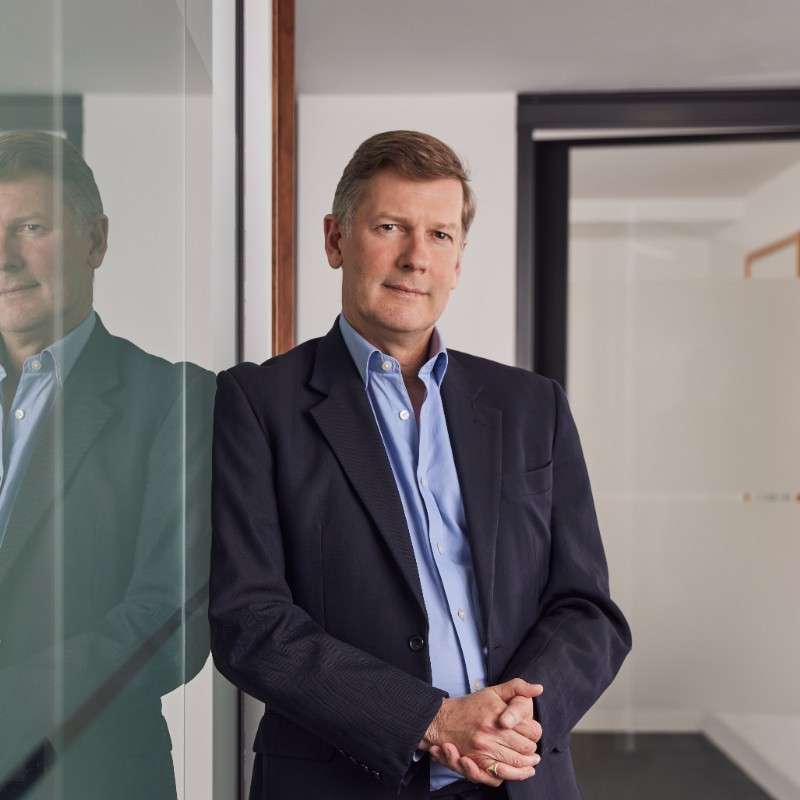 Ralph GraysonHost
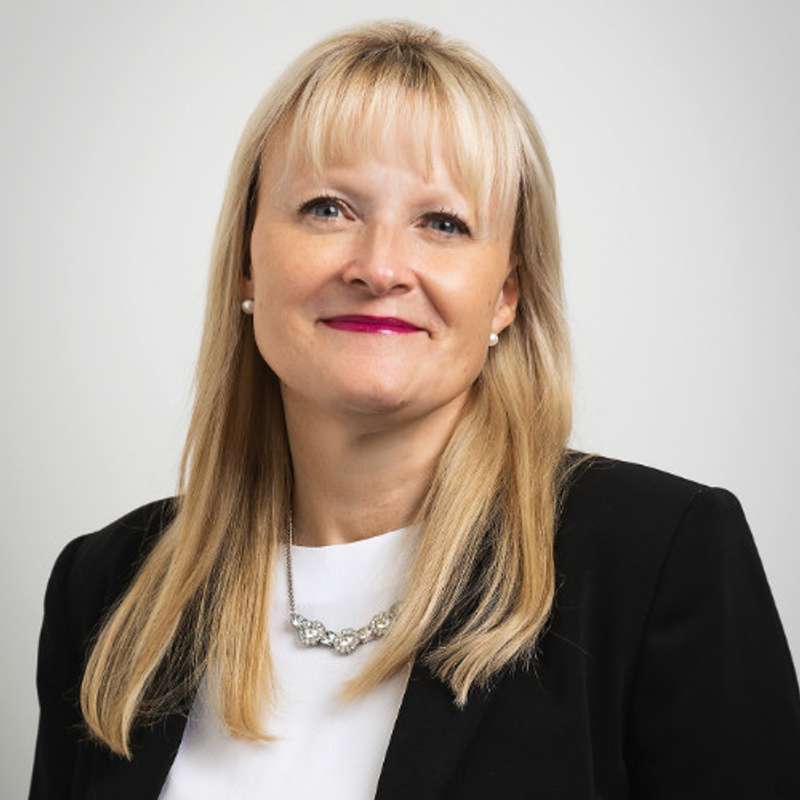 Sam AllenGuest
 Matt Eastland-JonesProducer
 Story Ninety-FourProduction Company