
Sallie Pilot on Aligning Boards, Investors and Long-Term Value
Sainty Hird & Partners·United Kingdom
Sallie Pilot explains how boards must understand the investment chain that funds them, why capital flows through multiple intermediaries distort investor signals, and how chairs can align boards with long-term value creation through genuine dialogue rather than one-way investor relations.
Listen on
Now playing
Sallie Pilot on Aligning Boards, Investors and Long-Term Value
Episode 36 · 21 Jul 2026
Featured
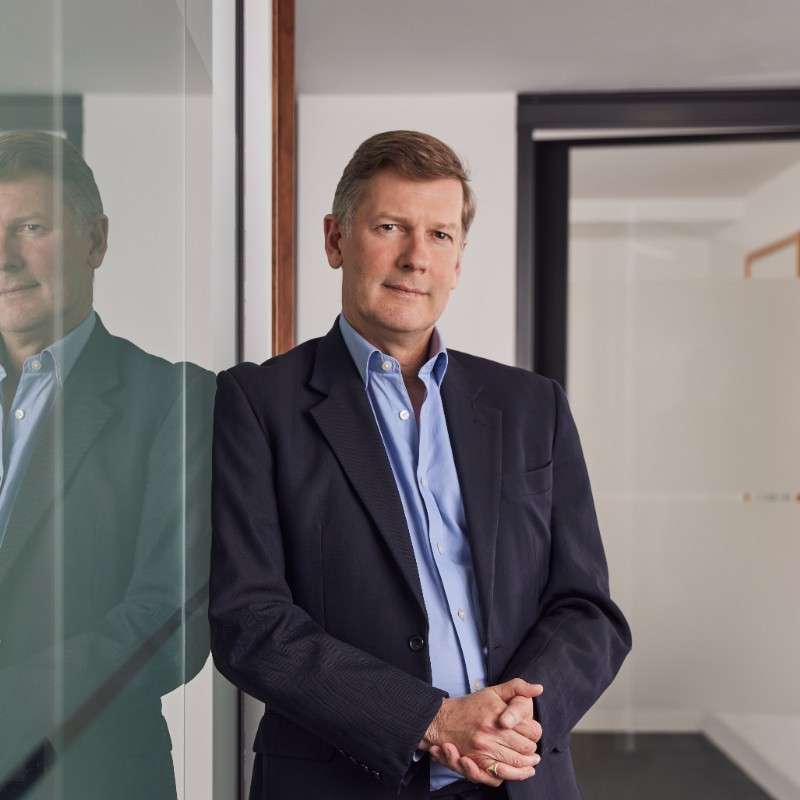 Ralph GraysonHost
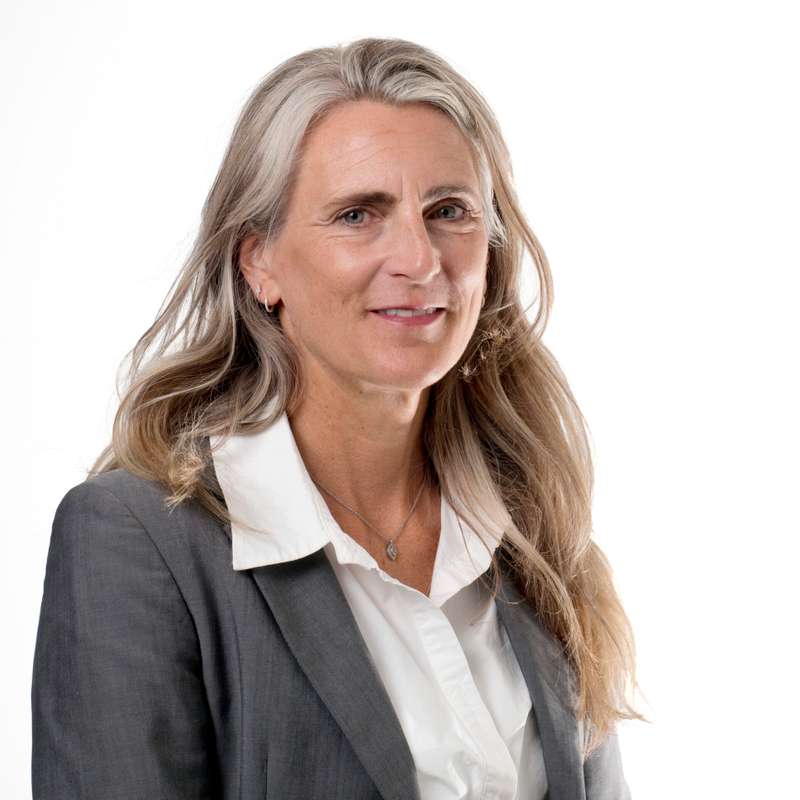 Sallie PilotGuest
Production
 Matt Eastland-JonesProducer
 Story Ninety-FourProduction Company
Show notes
How well do boards really understand the system that owns and funds them?
In this episode of The Boardroom Path, host Ralph Grayson speaks with Sallie Pilot, Managing Director of the Investor and Issuer Forum, about why the investment chain has become a core governance responsibility rather than an investor relations afterthought. They explore how capital can flow through as many as eight layers between an asset owner and a company, why boards often misread the signals they receive, and how chairs can build trust through genuine, two-way dialogue rather than scripted, one-way updates.
With UK equities drawing renewed interest amid record share buybacks and a fresh wave of takeover bids for London-listed companies, according to Morningstar, the conversation could not be more timely. Sallie explains the thinking behind the Investor and Issuer Compass, a practical framework for alignment across the chain, and why materiality, not the volume of disclosure, should shape how boards handle ESG. From pass-through voting to stewardship in 2026, this is a practical roadmap for NEDs who want to understand how they are owned, evaluated and funded.
- - Welcome to The Boardroom Path
- - Inside the Investor and Issuer Forum
- - Why the Investment Chain Is a Board Issue
- - Should the Board Own Investor Engagement?
- - Where Boards and Investors Misalign
- - Who Really Owns Your Company?
- - What Investors Want to Hear from Boards
- - Valuation, Governance and Long-Term Value
- - Building the Investor and Issuer Compass
- - Stewardship and the Myth of One Investor Voice
- - ESG, Materiality and Better Decisions
- - Technology, AI and the Future of Ownership
Sallie Pilot: Sallie Pilot is Managing Director of the Investor and Issuer Forum, a practitioner-led initiative launched in 2024 to improve how the UK equity market functions by strengthening engagement across the investment chain. Set up by the Investor Forum, supported by the London Stock Exchange and backed by the Financial Reporting Council, the Forum brings together asset owners, asset managers and the chairs of listed companies. A specialist in corporate reporting, governance, stewardship and stakeholder engagement, Sallie was previously an owner and executive director of the stakeholder communications firm Black Sun. She sits on the FRC's Stakeholder Insight Group and Financial Reporting Lab Steering Committee and has served on the board of the Investor Relations Society, giving her a rare cross-market view of how boards, investors and regulators interact.
Ralph Grayson: Ralph Grayson is a Partner in the Board Practice at Sainty Hird & Partners, bringing extensive experience in board-level recruitment, assessment, and advisory services. With a deep understanding of the corporate governance landscape, Ralph specialises in guiding senior executives as they transition into impactful boardroom careers. His thoughtful approach, combined with a passion for developing effective leaders, enables him to facilitate insightful conversations that equip aspiring and newly appointed Non-Executive Directors with the tools they need to succeed. Through The Boardroom Path, Ralph leverages his extensive professional network and expertise to empower listeners on their journey into the boardroom.
Episode Insights:
- Governance no longer stops at the boardroom door; it extends into the capital system, so boards must understand how they are owned, evaluated and funded.
- The UK's biggest capital market frictions stem from misalignment across the investment chain, not a lack of intent, and boards can influence that misalignment.
- Capital can pass through around eight layers between an asset owner and a company, distorting the signals boards receive about what investors really want.
- ESG matters most when it shapes strategy, capital allocation and decisions, not when it simply adds to the volume of disclosure; materiality should be the filter.
- Investors value honesty over polish, so boards that explain their reasoning, including why they do not comply, build trust in a comply or explain market.
Action Points:
- Know who your investors really are: Map the layers between your company and its ultimate asset owners, and understand how mandates and incentives shape the signals you receive. Treat this as a standing board agenda item rather than a one-off investor relations exercise. The clearer your picture of ownership, the more confidently the board can act.
- Make engagement purposeful, not routine: Decide why a conversation with investors is happening and whether you are being reactive or deliberate. Do not read a lack of investor interest as a snub, as it often signals comfort with your strategy. Reserve chair and committee-chair engagement for moments of genuine decision-making or information exchange.
- Lead with materiality on ESG: Focus reporting and oversight on the issues that genuinely affect long-term performance and licence to operate. Resist the pull to chase every framework and metric, which obscures what really drives value. Show investors how material issues are managed and monitored, not merely disclosed.
- Explain, do not just comply: Use the comply or explain regime as a strength by setting out the reasoning behind board decisions and any departures from the code. Investors consistently say they want the explanation and the context, not box-ticking. Clear, honest explanations build trust and usually earn support.
- Get externally fluent on technology: Build the board's understanding of how AI, pass-through voting and tokenisation are reshaping ownership, voting and engagement. Keep the company's story consistent across every channel and spokesperson. Treat continuous, coherent dialogue with the market as a growing expectation rather than an occasional event.
The Boardroom Path is the essential podcast for aspiring and newly appointed Non-Executive Directors (NEDs) navigating the journey from executive leadership to the boardroom. Hosted by Ralph Grayson, partner at Sainty Hird & Partners, each episode offers insightful conversations with industry leaders, seasoned board directors, and governance experts. Our guests share practical strategies, valuable perspectives, and actionable advice on how to effectively transition into board roles, maximise your impact, and build a rewarding NED career.
Subscribe now, and take your first confident step along The Boardroom Path. Learn more about Sainty Hird & Partners at saintyhird.com.
The Boardroom Path is produced by Story Ninety-Four in Oxford, UK.
Transcript
Ralph Grayson
Welcome to The Boardroom Path by Sainty Hird & Partners. I'm your host, Ralph Grayson, a partner in the board practice. In this series, we'll offer practical steps and useful perspectives for aspiring and newly appointed NEDs. Throughout its 30 year history, Sainty Hird has recruited senior board members across the City, Industry, the Public Sector and NGOs.
We're now also evaluating those boards, as well as coaching and mentoring those seeking to transition from an executive career into the boardroom. So we'll be speaking to some leading figures in the board advisory and NED world. Specifically, we'll seek their counsel about how and where to spend time and energy to make an effective transition into the boardroom. The goal is to equip recent and aspiring NEDs with tips, tactics and strategies to be most effective and build a successful career as a board director. In the process, we aim to help you to think more about who you are, how you operate and how you can make this work in the boardroom. Today's Boardroom Path is exploring governance in capital markets. The UK equity market is at a critical inflexion point. Declining listings, questions around market competitiveness, and growing scrutiny of stewardship are all symptoms of a greater and deeper issue. How effectively the investment system in the UK that funds UK companies actually works? For boards, this is no longer a background issue. It goes directly to access to capital, valuation and investor confidence, strategic flexibility, and ultimately long-term value creation. Yet many boards still treat investors as an external audience rather than part of the governance system itself.
In reality, companies sit within a complex investment chain, linking savers and pension beneficiaries, asset owners such as pension funds, asset managers, listed companies and their boards, regulators and market intermediaries and when the system is misaligned, the consequences are very real. Short-term decision pressure, ineffective shareholder engagement, miscommunication between boards and investors, and erosion of trust.
So for chairs and non-executive directors, this is no longer an investor relations issue. It's a core board responsibility. Understanding how capital flows, how investors think, and how stewardship works in practise is now essential to effective governance and my guest today, Sallie Pilot, is at the centre of this issue.
Sallie is managing director of the Investor and Issuer Forum, a practitioner-led initiative focused on improving how the UK equity market functions. Her work sits at the intersection of boards, investors, and regulators with a clear objective to improve the quality of dialogue between companies and the institutions that provide their capital.
The forum's work highlights a critical insight for boards. The biggest problems in capital markets are not usually driven by conflicts of intent, but by misalignment across the investment chain and that misalignment is something boards can influence, but only if they understand it. Sallie, welcome to the Boardroom Path.
Sallie Pilot
Thank you for having me. Really pleased to be here.
Ralph Grayson
Great. Tell us about the Investor and Issuer Forum, its mission, and purpose.
Sallie Pilot
Sure. Again, thank you for inviting me today. It's great to have this opportunity. So the Investor Initiative Reform is a cross-market initiative designed to improve how the equity market functions in practise. So specifically looking at the quality of the interaction between investors and listed companies.
Now, it's one of a number of reforms to help support growth and competitiveness in the UK. But very specifically, what we do is bring together asset owners, asset managers, and listed companies, so the entire investment chain. So those groups are very deeply independent, but often operate in silos. The way we've been set up is we have an independent steering committee of senior market practitioners, led by chairs of the major UK listed companies from the FTSE as well as leading investors like Schroders, Aviva, Baillie Gifford, 91, NEST, and Brunell. So a nice mix of both asset owners and asset managers. And we're supported by the London Stock Exchange, which is fantastic because we have similar aims in the market and the investor forum acts as the secretariat to the initiative.
And I just really wanted to pick up on one of your points is that the origin of the idea came from a simple but very important insight. I think there isn't a lack of intent in the system. It's just that there's a lack of alignment, which is very natural because what you often have is a system where chairs talk to chairs, fund managers talk to fund managers, asset owners talk to other asset owners, and people rarely step outside of their own stakeholder group.
So this was the objective to bring these groups of people together to discuss issues and focus on areas of friction and see what we could do from a market practitioner perspective. So that's a bit of the background to the Investor and Issuer Forum.
Ralph Grayson
Fantastic. So let's just touch on its relevance to board members who are listening to this podcast. Do you think most boards genuinely understand the investment chain that ultimately owns their company? And is it a governance blind spot?
Sallie Pilot
It's a really important question, I think. The honest answer is I think not fully and I think this is not because obviously they're not capable. Boards are very experienced and very knowledgeable. I think it's because the system has become so complicated and so intermediated that it's very difficult for any one stakeholder to understand all of the different aspects of the investment chain.
So often I think the signals that boards get are often either distorted or they only see part of the picture. So I think, just to give you an example, I think that most boards think they know who their shareholders are. But in reality, what they're seeing is very different filtered views from asset managers who are acting on behalf of their clients, asset owners, of which they could have many clients. They're getting snapshots of a constantly changing registrar. The the transparency around that is often very difficult to get to grips with that. And then I think often the signals that are shaped by mandates that come from asset owners and also regulation that often governs part of the investment chain that they might not be as familiar with, are shaping some of the signals that they're getting in the marketplace.
So I think they're often responding to what they think investors want, but they might just not understand how that whole chain works. So that was, as I said at the beginning, one of the reasons we set up the investor initial reform because it is a complex intermediated system. And from my experience of working in it is people know their own perspective really, well, but stepping outside of that is very difficult because it is so complex.
Ralph Grayson
The QCA debate this year was all around the role of the board engaging with investors. Let's just start with the first question of should engagement with investors sit primarily with management in the executive team or is this now a direct responsibility of the board?
Sallie Pilot
I would say that it's no longer just a management activity. It is a core board responsibility as well. I think boards bring that long-term perspective. They bring in that accountability lens and they really bring in that governance credibility and I think investors increasingly want to hear from chairs on strategy and oversight and long-term direction, and long-term value creation. And as we've seen, committee chairs are also becoming increasingly important. REM committee chairs have always been important, but there's a little bit more focus on audit committee chairs, and also sustainability chairs, or risk and sustainability chairs. So I think that increasingly investors do want to hear from chairs on strategy and oversight and some of the committee chairs on some of those other issues.
I think one thing to be noted is that engagement should be targeted. So I don't think anybody in the system is looking for, yes, we have to have a regular catch-up with the sustainability chair or the audit committee chair. I think it needs to be targeted for when there is something that one wants to speak about that we have an open and honest relationship and we can get in touch with those people. So it needs to be purposeful, needs to be linked to some sort of decision-making or information exchange. And also, I think the importance is it's also an opportunity to have a two-way conversation, not just a scripted conversation, because investors really want to get under the skin and understand not just what is being done, but why things are being done.
Ralph Grayson
You've touched on effectively friction in the system. Where do you see those misalignments today between boards and investors and how and where is that damaging?
Sallie Pilot
Really good question and we spent a lot of last year and a half listening and trying to understand the different frictions right across the system. And I guess the first thing I want to say is that it's not a lack of intent, it's often this lack of alignment. So I think across the system, what we do see is very strong alignment on the end goal where everybody is focused on long-term value creation and the success of the company and I think that's very important to bear in mind.
But the way that often translates into behaviour is sometimes those things break down and there's a lot of pressure points in the system. Some of the key consistent presure points that we see are really misaligned incentives and time horizons. If you take time horizons, for example, asset owners are often managing things for 40, 50 years. Asset managers are managing things on a shorter timeframe. Companies are maybe managing in five to 10 years. So everybody has different time horizons and so I think that's really challenging. Although we're all also operating under shorter term pressures for delivery and performance. So I think that's a big challenge and across the system, the incentives are very different as well and I think that's an important thing to know.
Also, the regulatory complexity. Just in the UK, across the investment chain, we have multiple regulators from the pensions regulator to the FCA to the FRC to HMT, DMBT. Everybody seems to be involved across the chain and they all have slightly different expectations, and also slightly different interpretations of things like fiduciary duty. Which I think is challenging. Now, when you put the UK then within the global market, of which all of us operate in, it is super complex because you've got all of what's going on in the US at the moment and the challenges there, you've got what's happening in Europe, and you've got global companies operating in a global environment and investors are also are not just UK investors, they're global investors. So you're dealing with a lot of those complexities in terms of the different requirements that everybody is needing to meet.
I think a lot of the other frictions is, just picking up on that idea, the fragmentation of the voices. So because the system in the UK, particularly, from my understanding, seems to be more intermediated than some other markets, is that often there's a fragmentation of the voice. So you've got lots of people involved in the system. So around asset owners, you've got trustees, you've got investment consultants, we've got proxy advisors, we've got ESG data providers. We've got lots of advisors in the mix, which is really important and London is well-known for that, but I think often that those voices can get misinterpreted down the line.
So I think you end up with a system where everyone is doing more, but not necessarily achieving more. So I think that's some of the main challenges that we see in terms of misalignment.
Ralph Grayson
Causation or correlation, to what extent is the functioning of the investment chain that you've touched on contributing to the challenges facing the UK public markets?
Sallie Pilot
That's a big question there.
Look, I think that some of the big structural challenges that we're dealing with in the UK have been built up over years and years and are not going to be solved by any one initiative. Now, I think the investment chain and the relationships across the investment chain, of course, are very important in terms of how relationships function on a day-to-day basis. But also just remembering that we are operating within a very complex system that's being built up over time.
But in terms of the day-to-day relationships, it's obvious that when trust is lower and understanding is limited, signals can get misread. Engagement can become more guarded and confidence can be weakened on both sides, right? And so I think that the investment chain, it doesn't help, but it amplifies some of the challenges that we're all focusing on. I guess I can say this because I'm Canadian, but I think we tend to focus sometimes on negative in what's happening rather than the positive and I think that in some areas, there's a lot of good going on in the UK and I think that's really important to know.
UK's known for transparency, great governance code, access to management. Those are things that absolutely hold the UK in a very strong positioning. I heard the other day from actually somebody at ISS that they said the reporting in the UK is second to none in terms of the detail, around the governance, the way things are explained, the disclosures, just really important. So I think that we've got a lot of positives.
So from the Investor and Issuer Forum perspective, our focus isn't on trying to change the big picture overnight. It's really trying to improve how investors and companies understand one another, how they can engage more effectively, and how we can build trust through a more consistent, constructive interaction. I think that's really important because this is all about trust. So when relationships work well, there's confidence and there's greater coherence and then I think companies can be more bold about things. So I think it is all about that trust that we need to build across the investment chain.
Ralph Grayson
You've touched on a couple of really important themes here, intermediation, and how that distorts some of the signals boards receive. Fundamentally, do you think boards really understand capital flows? What do you think they get wrong when they're trying to understand and articulate who their real owners are?
Sallie Pilot
Yeah, I think that boards assume consistency and alignment, and it's simply not there, as I mentioned before. It is very highly intermediated. There are different time horizons. There are different incentives, different business models, and when we talk about investors and the real owners, at the end of the day, the asset owners are the ultimate owners of the capital, right? So the asset managers are the agents for that capital and asset managers can work for multiple asset owners. So they're managing different priorities of their different clients. And within even asset management firms, they'll have different funds that do different things. They'll have different strategies. So there's a lot that I think we need to think about in terms of consistency.
So that capital flows through a number of layers between the asset owner through to the company. I was speaking to somebody the other day and they said there were eight layers between an actual asset owner and a company when you add in the trustees, the investment consultants, the asset managers, the custodians. So at each stage, the intent can shift and I think this is really important. And I think as things develop, we're seeing asset owners wanting to be more visible with companies. So I think that companies haven't really experienced this yet, or most companies haven't experienced this yet. But asset owners are taking more control and are identifying a group of companies or a group of issues that they really want to influence that are linked to their own long-term purpose and values and what they're trying to achieve for their members and they're going to start engaging with companies more directly on the back of that.
That picks up on a piece of research we did on pass-through voting where the voting is actually going right back through to the asset owners as they want to influence what they're doing or the decisions that they're making in line with their own value. So I think this is something that is changing and is really important to think about a little bit more deeply.
Ralph Grayson
How should board members think about that alignment in terms of capital allocation and to what extent do you see that misalignment affecting poor decision making?
Sallie Pilot
Yeah, and I think maybe it doesn't change necessarily what boards are trying to achieve, but I think maybe what it influences is boards' confidence to act because they are getting mixed messages from the market and from their investors. So it doesn't usually show up as a dramatic disagreement, but it's just a sort of distortion of views. I think that often boards calibrate and make decisions based on investor expectations. Because of that, because they're dealing with multiple investor views, and I also think because we have a shift in terms of active and passive management as well of companies, I think it's sometimes difficult for boards to make decisions for the long-term.
So they perhaps hedge their bets a little bit. We've seen an increasing focus on buybacks by companies prioritised over reinvestment. We've seen less M&As and I think these are some of the things where I think boards are maybe taking a little bit of the safer approach. I think some of the other ways that it might show up is overreaction to loud voices because there is a lot of loud voices in the marketplace and those loud voices might not necessarily own huge percentages of that company, but they can be very loud. ESG as well, which I know we're going to talk about later on. I think that there has been a lot of focus on actually the disclosure and what companies need to disclose rather than actually really driving change.
Those are some of the challenges that I think we're seeing and where governance may break down a bit.
Ralph Grayson
Okay. I think what we've established here is that engagement, with asset owners or asset management is a core governance function of the board. Let's just explore that in a bit more detail. What do investors want to hear from a board that they can't just hear from the EXCOM?
Sallie Pilot
This picks up on the governance communications bit and I think there are moments and I think what investors want to hear from boards is they just don't want to hear the narrative, but they want to understand what the thinking is behind the narrative that they see.
So they particularly want to hear the thinking on strategy. They want to hear the thinking on governance and how the board is engaging, effectiveness of the board overall, they want to hear about trade-offs and the thinking behind trade-offs and how decision-making is made and what comes through consistently is investors don't necessarily expect perfection, but what they really want is they want to get under the skin of things. They want to understand the thinking. They want clarity. They want authenticity.
And I think that where we see engagement working particularly well, and in fact, Kimberly, I think picked up on this in your podcast as well is where boards are willing to explain how decisions are made. They're willing to acknowledge when there is uncertainty about things and they engage around a true genuine dialogue. So the result of that is building up a trust between one another in a relationship type way. So not just delivering a polished script. Nobody wants to hear a polished script, right? They want to get under the skin of that script and I think that's where the opportunity is and what investors are looking at from boards in particular.
Ralph Grayson
I think that's a brilliant observation. A theme we keep coming back to on this podcast and I keep hearing in conversations with other board members is this as FRC position that if boards are genuinely going to lead, they're going to explain why they're not complying more and more and I think that goes to the heart of the question of are boards too scripted in their investor interactions?
Sallie Pilot
Yeah, and I think it's really difficult particularly now with everything going on in the U.S. So I think it is difficult for boards to communicate. But I think going back to what you said about the FRC is I think that there is more of, I don't want to say pressure, but I think there's more of an expectation now and the FRC has been very focused on this, on boards taking accountability. If you ask any investor, they actually they want the explanation. They don't want boards to just comply with things. They want the explanation as to why and they want companies to do the best thing for the company and long-term success of the company and I think that's really important.
So I think we must remember that we do operate in a comply or explain environment and I think that actually is one of the strengths of the UK marketplace. It's something that we should celebrate and boards should be fairly confident that they can explain. And I know there's been a lot of encouragement by the FRC to explain when and why one doesn't comply and 99% of the time the explanations go through and are sensible explanations because there's always context around these things. So I think that's really important.
And actually, that was one of the things I picked up from my conversation with ISS the other day is the explanations around board changes, particularly around chair tenure and board effectiveness, they'd seen a real step change this year in terms of companies actually taking the opportunity to say, "Actually, we're outside of the nine year scope, but this is why." And actually they said, " we voted in favour." So I think that's really important, or we've recommended a vote in favour. So I think that's really important, that explanation and that context is really important in terms of these dynamics.
Ralph Grayson
It's a question I keep coming back to in all my conversations is what's the link between valuation and good governance and that anchor theme of alignment with long-term value. What I'm interested in exploring here is where do you think boards think they're aligned, but they're not? And how does that misalignment perhaps distort or impact strategic planning?
Sallie Pilot
Yeah. I think it's a good question and one that we have struggled with across the investment chain. So I think the first thing to say is not about agreement on everything and I think that's really important. I think it's much more practical than that. I think it is the ability for a company to execute on its strategy without unnecessary friction from the market.
One of the things that we recognised very early in the steering committee of the Investor and Issuer Forum, is that there wasn't necessarily that clear alignment across the chain that everybody understood. So we spent a lot of time thinking about that and we spent a lot of time discussing it and where we landed really early on is that across the investment chain, we are aligned around a shared goal of long-term value creation and the success of the enterprise. And I think that's really important. But it was recognised that the market lacked a common language and practical framework to support that.
So I think everybody has different perspectives of what that means for them individually, whether you're an asset owner, whether you're an asset manager or a company, and so one of the main outputs last year from the Investor and Issuer Forum, was we produced what we call an Investor and Issuer Compass and basically it's a one-page practical behavioural framework. And it was co-created across the market, driven by the steering committee, but also we engaged with stakeholders across the chain, the different organisational bodies that represent the different stakeholder groups, including Pensions UK, including the Investment Association, including the CBI, just for examples, as well as individual organisations and actors. And the idea was to bring all the strengths together into one place because as I said before, the equity markets has deep strength, deep expertise, open access and dialogue between boards and investors, transparent information flows, and trusted governance frameworks, but we don't have this common language.
So we wanted to create this compass as a behavioural reference point to give some legitimacy and usability to what that means. So what the compass does is it brings those strengths together in one place, as I said. It set outs the conditions for alignment across the chain. Now, united by the fact that the focus on long-term value creation, but the conditions for alignment are around constructive dialogue, practical and proportionate expectations, reporting, empowered and accountable boards and responsibility for the ecosystem that we all operate in.
So they're very simple conditions, but what was actually really powerful about it is that we got everybody in the chain behind these five conditions. We weren't trying to duplicate the existing frameworks that we've got in the marketplace, like stewardship code or the corporate governance code, but what we were trying to do is tie all those things together. So it's a reference point that reminds us what good looks like across the chain and really a guide to help us work together more confidently and coherently.
Ralph Grayson
I'd love to continue that theme going back to the podcast I did with Kimberly Lewis, who you referenced earlier, who for anybody who's not listen to that, she's the head of stewardship at Schroders. What is it about stewardship that boards most misunderstand from your perspective? And where does stewardship genuinely influence board decisions and board thinking?
Sallie Pilot
It's a good question, and I know, Kimberly from her perspective had a lot of strong views on this. I think from my perspective as working across the chain and really trying to understand the different actors in the chain is that I think often we assume or boards may assume that investors are a single coherent voice and in reality, there is no one investor. We talked about asset owners and asset managers, but just even within those different groups, there are different types of asset managers. Whether they're growth, whether they're value, whether they're long-only, passive, active and within investors themselves, they're managing internal alignment challenges. They have many different funds, many different clients, as I talked about. So there's a lot of differences in that.
So I think that, that complexity is is very challenging, and then asset owners, as we've talked about as well. There are a multitude of asset owners whether we have the big pension funds, whether we have the endowments, whether we have the sovereign wealth funds, wealth managers, insurance companies. They're all looking for very different things. I think that is quite complicated for boards to understand. It is about building relationships. It is about open and honesty. I think that a lot of the discussions lately and the focus lately has been on performative stewardship, which I know a lot of people have been talking about and the challenge of looking at engagement and voting as a binary measures, it's not very helpful. I think there's so much pressure to focus on outcomes and it's very difficult to grasp what an outcome is, but voting is only a binary measure of something and engagements, again, to have an engagement from one outcome is not sensible.
Engagements could take place over years. There are many different forms and purposes of engagement as well. So to isolate it to an outcome, I think that's really challenging and in fact, one of the projects that we're focusing on in this year is looking at that and trying to understand outcomes better and how can we get better alignment across the investment chain on what outcomes actually mean for the different players in the marketplace and really trying to get under the skin of what is effective stewardship and engagement today. Because I think, again, the model has changed very significantly with the rise of passive. So I think engagement is a very different place. Again, something that boards maybe forget about is the market has changed very much. So you don't have as much engagement with the act. There isn't as many active investors as there once was. It's a very changed market in terms of what engagement looks at.
So what we're going to try to do with this project is really look at what engagement looks like in 2026 and what it needs to look like moving forward so that we can equip boards with better understanding of what that looks like and what the expectations are.
Ralph Grayson
So let's try and join the dots on engagement, disclosure, and allocation. It goes to the heart of where we are on ESG at the moment. Just give me your perspective from the conversations you've been having on ESG as a label, as a disclosure, as an investment thesis, and obviously the geopolitical engagement around that at the moment depending which side of the Atlantic you are.
Sallie Pilot
Yeah and look, language is a real challenge here as we all know. I think in my experience and the conversation that I've heard around ESG is meaningful when it affects decisions and not just disclosures. And I think that we're in a situation where boards and companies are overwhelmed by the number of different frameworks that are out there in terms of reporting, the number of different metrics that they're being asked for, just the reporting requirements more broadly. So I think that just makes it so complicated for companies to know what to focus on.
So we always go back to this idea of materiality. So what's material to the long-term performance of the company? So I don't like using the word ESG. They're like business issues, right? So what's important to the licence to operate? What's important for you to manage? And I think a lot of companies know inherently what those things are that are going to drive long-term value creation. But those things have been obscured by this focus on more and more reporting and more and more disclosure. So I think getting back to the point of the real shift that needs to take place is how is ESG, if we want to call that, integrated into the strategy, into capital allocation, into the way that you're actually making decisions and how you're making those decisions differently, not in what you're disclosing and I think that's where some of the challenge has been, moving forward.
I think we're moving in, I'd like to think we're moving in the right direction in a lot of cases. From investors' perspectives, that's really what they want to hear from boards. They want to understand how these issues are material to long-term performance of the business and how they're being managed and then how they're being monitored. So I think that's a really important step change that we all need to take.
Ralph Grayson
You've touched on there about behaviour and I think that's really important. Let's lead that into UK market competitiveness which is a core part of your role here. So what do you think behaviours, how do behaviours at board level make UK companies more investible and how can that governance quality influence those capital flows?
Sallie Pilot
Yeah, another tough question. You're throwing them at me today. Yeah look, I think in general, there's a tendency to look for single fixes, regulation listing rules, governance reform, specific things that are going to drive real changes. In reality, these things are very complicated and very interrelated and I'd like to just make the point that I think that governance and stewardship are not constraints in the UK market. I think they're real assets when they work well and a lot of what we're trying to do at the Investor and Issuer Forum through our work and through things like the Investor and Issuer Compass is signal to the marketplace that actually we are working as an investment chain in the UK as grown-ups, having real conversations at very senior levels within the organisations to drive change. To actually get in a room together and share, some of these different challenges and come up with better solutions and so I think that when we're talking about reform, we should be aiming for better outcomes, not just lighter rules, which is often the case. I think there is a bit of a risk of reducing friction in the wrong places and weakening accountability or trust and I don't think we want to do that because I think that is what actually also gives us a lot of strength in the UK and differentiates us.
So for me, I think if we get this right, it's not just about better conversations, it's about better decisions. As I said before, on a lot of these issues, perspectives differ depending on where you sit in the chain, whether you're an investor, an issuer, or an intermediary. So I think these differences are often less about the disagreement on the outcome and more about the differences on the constraints, the incentives, and the priorities.
So what we've seen through the work that we're starting to do is that it's really powerful to bring those different perspectives together. To create a space for a more open and honest, candid discussion and try to help people understand the reasoning behind positions that might initially seem at odds and often, it makes a lot of sense. These positions are entirely rational. They're not just well understood by others in the system. So I think one of the things that, I've been really lucky in the steering committee meetings, we often have meetings and we'll be talking about a particular issue and, I have one of my issuer steering committee members explain the issue from their perspective. And then one of the asset manager steering commission go, "Oh this is how it is. We're looking at it in this perspective." And then after the meeting, they'll go to each other, "Wow, I learned a lot from you today." "Oh, wow, I learned a lot from you. " So I think that shared understanding of the different perspectives, what the different challenges are, what the restrictions are, just helps it become a little bit easier to identify practical balance solutions that reflect actually how the system works, not just how we want it to work from our own perspective.
And this is the other thing I've learned a lot about is ultimately the system is made up of people and people have different viewpoints, right? And I don't think we'll ever be in a place where we completely agree with one another, but what we can do is we can come to a constructive middle ground, right? Where we focus on actually what unites us and then we can build out from there. So we don't want to force alignment, but I think what we want to do is identify where we do agree on things and which we do agree on things and then work from there on some of the smaller areas of friction.
Ralph Grayson
So for a board listener, let's try and have a couple of practical action points here then. So what should every board agenda have on it regarding investors?
Sallie Pilot
From a board agenda perspective, I think what needs to change is, or not needs to change, but what needs to be on the agenda is I think that boards need to have a much better understanding of who their investors are and how they make decisions as well, and what are the things that are driving those decisions? I think that's really important. And I know boards are doing a lot of work with that.
I don't envy boards because it's very complicated. It's very opaque sometimes how that works with investors and how companies are held. So I know a lot of work goes into that as well, but I think trying to get under the skin of that. Secondly, I think the other point is to look at engagement and trying to think about understanding why you're having engagement or why an investor wants to have engagement and whether you're being reactive or purposeful.
I think that's really important to think about that in terms of having the right conversation. And I think a lot of the challenge from companies is they really want to engage and when investors don't want to engage with them or don't feel a need to engage with them, they take it as an affront and some of the feedback we get from our investors is don't be insulted if an investor doesn't want to engage with you. It might just mean that they're very comfortable with everything that you're doing. Now, maybe we need to figure out a way that investors can signal that to a company so companies don't worry about it. But that is often the case. Investors will engage if they want to engage around a particular issue.
And then I think the other thing I would say I would focus on from a board perspective is that challenge around reporting. I think reporting is a really important tool for a company in terms of demonstrating accountability and transparency. But I think just focusing on what is really important to the company, what is material to the business and prioritising that. Prioritising that in terms of your messaging and the way that you disclose and the way that you tell your story. And I think the other thing is just rounding it back to communications is I think the importance of having a coherent and joined up message across the business. You've got different stakeholders within your own organisation talking to different investors and different types of investors, whether you have your co-secs talking to the stewardship people at investor organisation. You might have your IR directors talking to your fund managers within investment organisations. So it's just making sure that from your own perspective, that you're very clear on your company's story, what the strategy is, what the long-term vision is how you're going to measure that and what means long-term success.
So I think it's around those things that I would focus on.
Ralph Grayson
So some really interesting perspectives there, I think, on how board behaviour needs to evolve. If we push this forward-looking accountability a little further, is there a way technology can help reshape that or is it more to do with process and structure of the board? Or do board members just need to be doing things differently?
Sallie Pilot
Look, I think technology is impacting all of us particularly AI and I think boards, but all of us, need to become more externally fluent, I would call it. The market has changed significantly and is changing significantly from what it was. So I think that likely that is going to mean more of continuous dialogue. I think that's likely going to mean greater and greater expectations. I think that importance going back to communications and getting the story consistent and coherent. I think the importance of actually ensuring that your language is consistent across everything that you say is going to be really important to create that kind of shared expectation.
I think technology, is going to impact us all hugely. And I think things like pass-through voting, which I mentioned has become, might become, more of an issue. Particularly with the advent of technology. There's a lot of noise in the marketplace about proxy advisors and how they're using AI to capture information and different challenges to the proxy advisors. So again, going back to this, nuance in the context is really important. So how we capture that with AI and technology, I think that's going to take a lot of thinking. And one of the other projects that we're looking at this year, is the idea of tokenization and what that means for the marketplace and how that works and what are the impacts on governance and stewardship moving forward.
So I think there's a lot that boards and all of us are going to have to understand better about how a business is owned, how it's being evaluated, and I think that's only going to get like more and more complicated as things move forward, unfortunately. But for all of us as well. Look, I think there'll also be a lot of benefits to technology, but I think understanding and keeping up to date with what's going on in the market will be really important.
Ralph Grayson
I think from everything I've heard, it makes clear to me that governance doesn't start and stop at the boardroom door. It extends absolutely into the capital system around the company and the boards are going to succeed in the future won't simply manage their business well, they'll understand how they're owned, how they're evaluated and how they engage with the capital that enables that strategy.
So if there's one thing you would want every board director listening to this to take into their next board meeting, what would it be?
Sallie Pilot
I think that the one thing I would say is there is more that unites than divides us. And it is that focus on long-term value creation and the success of the enterprise. And I think that's really important. Our role at the Investor and Issuer Forum is to make the listing experience better for companies and also more attractive for investors.
And in my experience, I've never met an investor who wants a company to fail or a company that wants to fail. So I think that extends into the capital system around the company. We all need companies to succeed for us all to succeed and for society to prosper. This is all interrelated. So I think that's really important not letting a lot of this noise obscure that ultimate focus on long-term value creation and the success of the company.
So I think, as you said, boards will be most effective, when they understand how they're owned, and who those investors are and what those investors want and importantly, why they want that. Boards that are engaging with the system very deliberately. And I think this is not just also about investors and boards engaging with one another, but I think there's a greater expectation for also boards and organisations to engage with policymakers and regulators and the external forces, the ecosystem that maps what we're doing.
And I think if we all try to work together, on that, I think we'll be more effective as a sort of marketplace in the UK.
Ralph Grayson
So if we've inspired a listener to get more engaged in this debate, how do they follow up with the Forum? How do they read and understand more about your work?
Sallie Pilot
Oh, fantastic. I was looking for that flag. Yeah, the best question of the day. The one that I was really waiting for. So Investor and Issuer Forum we have a website. I'd love you to get involved. Got a lot of information on our website. Over the last year that we've been in operation, we've created a number of outputs. I mentioned the Investor and Issuer Compass, which I would encourage you to have a look at. One of the things that we're trying to do is socialise that, work with different organisations and bodies that represent the different stakeholders, to give them that kind of foundation for alignment across the system.
The other things that we have produced that I would encourage you to have a look at is an ecosystem mapping of the investment chain. So this is what I call our 101 to what the investment chain in the UK looks like. So it's our attempt to map out how the system actually works in practise. Who are the key players? How does that really complicate a regulatory system work? Who are the key intermediaries in the chain? And what it does as well is it identifies and shares all of the systemic structural and operational frictions that we've heard through our work. So it gives you a really good snapshot of what we've heard.
We've also done a number of showcases with about 20 different investors to actually give them the opportunity to share their approach, their policies, their prior- priorities. They're all on our website. We've also done showcases with all the different proxy advisors in the marketplace, again, to really improve understanding and transparency. And as I said, we're embarking on our new projects for this year around tokenization and stewardship and engagement. Very happy to pick up the conversation. So please just get in touch. You can find me on LinkedIn or at the Investor and Issuer Forum. And I'd love to have more and more people involved and I would love for people to share the work that we're doing because what we are trying to do is really try to provide different actors across the chain with a better understanding of how the system works.
And the other thing to note is we don't have it perfectly. It is very complicated and it's very nuanced. So I also want people to actually come to me and share their perspectives so that we can build them into our understanding and then share them more widely.
Ralph Grayson
So plenty of homework for all my listeners on the podcast until the next episode. Sallie, fascinating. Good luck with everything. It's a very important subject. Thank you for your time in explaining it so eloquently.
Sallie Pilot
Thank you so much. That was really fun. And I hope to speak to a lot of you soon.
Ralph Grayson
I hope that you've enjoyed listening to this podcast and have found it helpful when thinking about how to approach your own path to the boardroom. If you would like to push this a little bit further, Sainty Hird runs a bespoke one to one programme designed specifically to this end. For more information, please visit our website saintyhird.com, follow us on LinkedIn, and subscribe to the Boardroom Path to receive new episodes. Thank you for listening.
Presented by

Sainty Hird & Partners
Sainty Hird & Partners is a leading executive search, assessment and development firm. We are a trusted advisor to boards, executive teams and human resources leaders in private and public sectors across the UK, Europe and North America. Combining integrity, tenacity and imagination, Sainty Hird & Partners’ reputation is founded on consistently providing an exceptional service to its clients.
saintyhird.comSallie Pilot on Aligning Boards, Investors and Long-Term Value
The Boardroom Path